For years, transmission expansion was often viewed largely through the lens of energy policy debates – shaped by discussions surrounding renewable integration, permitting reform, regional planning, and infrastructure spending. Today, however, the conversation is rapidly evolving into something far more practical and urgent. Across the United States, utilities, regulators, policymakers, and grid operators are increasingly recognizing that regardless of generation mix or political priorities, the nation urgently needs more transmission capacity.
After nearly two decades of relatively modest electricity demand growth, the electric power industry is now confronting a very different reality. AI-driven data centers, industrial reshoring, semiconductor manufacturing, transportation electrification, and population growth in high-demand regions are placing unprecedented pressure on transmission infrastructure originally designed for a very different operating environment. At the same time, reliability concerns, reserve margin pressures, renewable integration challenges, and growing interconnection queues are exposing the limitations of an aging grid that was never built to support today’s rapidly changing power flows.
This shift in industry thinking was evident during a recent House Energy & Commerce Subcommittee hearing “AI and the Grid: Meeting Growing Power Demand While Protecting Ratepayers,” where lawmakers from both parties discussed the growing need for transmission upgrades, advanced grid technologies, and practical strategies to support rising electricity demand while maintaining affordability and reliability.
Importantly, the discussion is no longer centered solely on whether additional generation resources are needed. Increasingly, the limiting factor is whether sufficient transmission infrastructure can be deployed fast enough to deliver power where it is needed. Utilities across many regions are now facing major new load requests that may require substantial transmission upgrades in only a few years – timelines that often conflict with the decade-long process typically associated with permitting and constructing entirely new transmission corridors.
At the same time, rising electricity prices are intensifying pressure on utilities and policymakers to identify solutions that can improve grid performance without dramatically increasing costs for consumers. Concerns surrounding affordability, reliability, and long-term infrastructure investment are beginning to create broader alignment around practical grid modernization strategies capable of delivering measurable capacity improvements more quickly and cost-effectively.
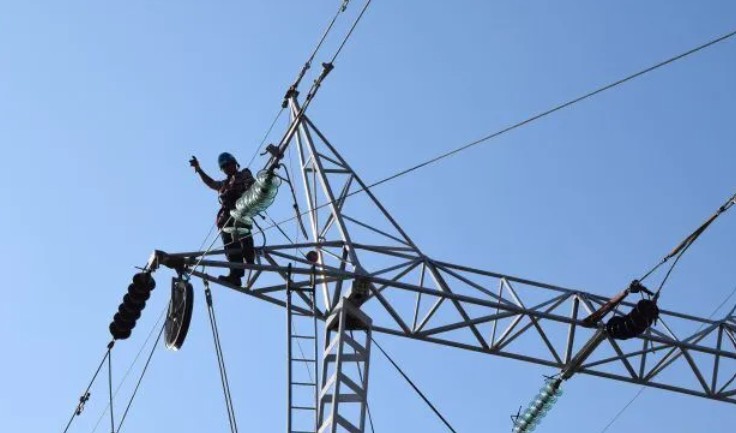
As a result, technologies that can increase transmission capacity within existing rights-of-way are attracting growing attention throughout the industry. Grid-enhancing technologies, dynamic line rating systems, and high-capacity Advanced Conductors are increasingly being evaluated as part of a broader effort to modernize the grid while minimizing permitting complexity, land acquisition challenges, environmental impacts, and extended construction timelines.
Among these solutions, transmission reconductoring with advanced composite-core conductors has emerged as one of the most practical opportunities to accelerate grid expansion using existing infrastructure. By replacing legacy conductors with higher-capacity alternatives such as ACCC® Conductor, utilities may be able to substantially increase transmission capacity, reduce thermal sag, improve efficiency, and lower line losses while leveraging existing transmission corridors and structures.
The electric power industry is entering a new era where speed, flexibility, and infrastructure efficiency are becoming just as important as generation itself. Increasingly, the national conversation around transmission is moving beyond politics and toward a more practical recognition that faster, smarter grid expansion may be essential to supporting economic growth, reliability, electrification, and America’s rapidly evolving energy future.