Introduction
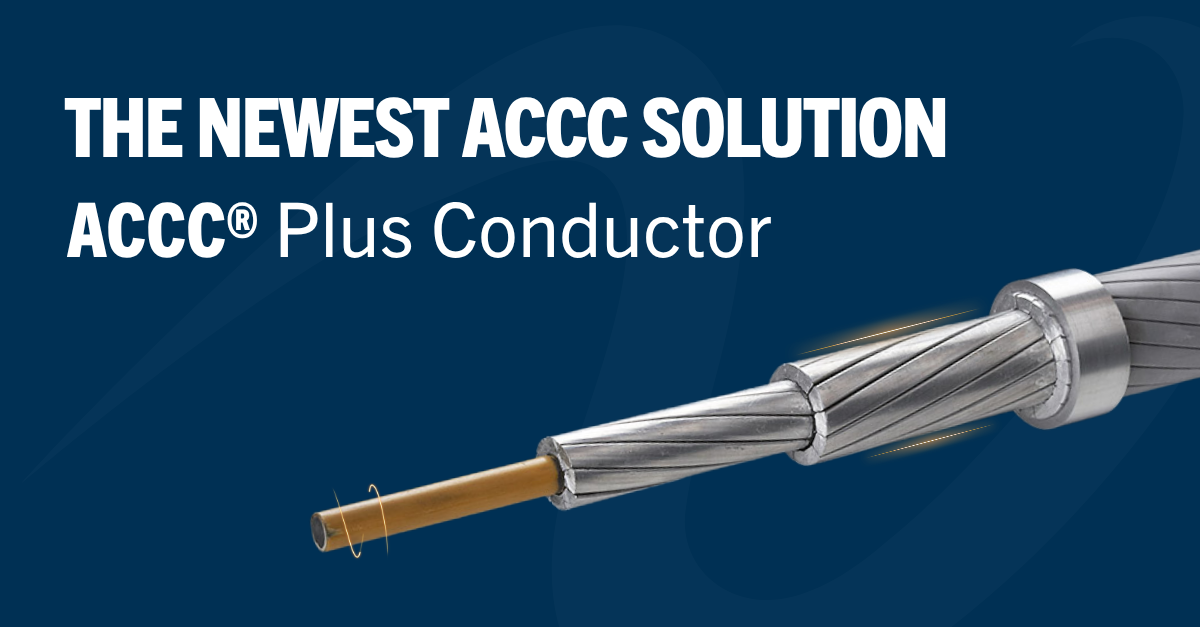
As the demand for reliable and efficient electric power transmission continues to grow, the choice of conductors plays a crucial role in determining the success and cost-effectiveness of transmission projects. This article explores the implications of using Advanced Conductors, specifically ACCC® Conductors, compared to traditional ACSR (Aluminum Conductor Steel Reinforced) conductors. We will delve into cost distributions, capacity, installation considerations, and the overall economic impact of these conductor types across different voltage levels.
Understanding Transmission Conductors
Electric power transmission involves transporting electricity from generation sources to end-users through a network of transmission lines. The conductors used in these lines are vital components that influence efficiency, capacity, and overall costs. Traditionally, ACSR conductors have been the standard due to their proven performance and reliability. However, advancements in materials and technology have introduced alternative options, such as ACCC Conductors, which offer several potential benefits.
The Cost Distribution of Transmission Projects
When assessing the costs of building new transmission lines or reconductoring existing ones, a variety of components contribute to the overall expense. A typical cost distribution includes:
- Planning and Feasibility Study (2-5%): Initial assessments to determine project viability.
- Route Selection and Environmental Assessments (5-10%): Costs associated with environmental studies and stakeholder engagement.
- Regulatory Approvals (1-3%): Fees related to permitting and compliance.
- Design (5-10%): Engineering work to finalize specifications.
- Land Acquisition (10-20%): Costs for purchasing land or easements.
- Procurement of Materials (25-40%): This includes the costs of conductors, towers, insulators, and other hardware.
- Construction (25-35%): Labor and equipment costs for building the line.
- Testing and Commissioning (2-5%): Costs for ensuring the line’s integrity.
- Operation and Maintenance (1-3%): Initial costs for setting up maintenance protocols.
Comparing Traditional ACSR Conductors and ACCC® Conductors
Cost Implications
Using ACCC Conductors can impact various cost components in transmission projects. Although ACCC Conductors typically have a higher initial material cost, they provide several long-term advantages:
- Material Costs: The higher cost of ACCC Conductors is offset by their enhanced performance and improved efficiency, leading to reduced line losses and operational costs over time.
- Construction and Labor Costs: Conventional ACSR conductors require larger, heavier conductors, necessitating new structures that increase construction costs significantly. In contrast, ACCC Conductors provide twice the capacity at the same weight as the original conductors, allowing for wider spacing between structures and reducing the need for additional installations.
Long-Term Benefits
The long-term benefits of using ACCC Conductors include:
- Increased Capacity: ACCC Conductors can carry more current than traditional conductors, which can lead to a more efficient use of existing infrastructure without requiring new rights-of-way.
- Durability: ACCC Conductors are often more resistant to environmental stress and corrosion, resulting in lower maintenance costs over their lifespan.
Cost per Mile Analysis
To better understand the economic implications, here’s a comparison of the estimated costs per mile for different voltage levels using both ACSR and ACCC Conductors.
New Line Projects
|
Voltage Level |
ACSR Conductors (Low) | ACSR Conductors (High) | ACCC Conductors (Low) | ACCC Conductors (High) |
|
132 kV |
$500,000 | $900,000 | $600,000 | $1,100,000 |
|
230 kV |
$950,000 | $1,800,000 | $1,150,000 |
$2,300,000 |
|
345 kV |
$1,400,000 | $2,800,000 | $1,600,000 |
$3,200,000 |
| 500 kV | $1,800,000 | $3,600,000 | $2,200,000 |
$4,500,000 |
Reconductoring Projects
For reconductoring projects, we will adjust the costs for ACSR to account for the need for larger conductors and new structures:
|
Voltage Level |
ACSR Conductors (Low) | ACSR Conductors (High) | ACCC Conductors (Low) | ACCC Conductors (High) |
|
132 kV |
$400,000 | $800,000 | $300,000 |
$550,000 |
|
230 kV |
$800,000 | $1,500,000 | $600,000 |
$1,150,000 |
|
345 kV |
$1,200,000 | $2,300,000 | $850,000 |
$1,700,000 |
| 500 kV | $1,600,000 | $3,200,000 | $1,100,000 |
$2,300,000 |
Cost per Amp per Mile
Using the peak capacity of both conductor types (900 amps for ACSR and 1,600 amps for ACCC) in a 132 – 345 kV scenarios, the cost per amp per mile can be calculated as follows:
ACSR Conductor
- Cost Range:
- Low: $400,000 to $800,000
- High: $1,200,000 to $2,300,000
- Cost per Amp per Mile:
- Low: $444.44 to $888.89
- High: $1,333.33 to $2,555.56
ACCC Conductor
- Cost Range:
- Low: $300,000 to $550,000
- High: $1,100,000 to $2,300,000
- Cost per Amp per Mile:
- Low: $187.50 to $343.75
- High: $687.50 to $1,437.50
This analysis shows that ACCC Conductors offer a significant reduction in cost per amp per mile, emphasizing their economic advantages in reconductoring projects, especially when factoring in the costs associated with ACSR.
Case Study: PacifiCorp’s ACCC Reconductoring Project
Project Overview: PacifiCorp, a major utility in the western United States, undertook reconductoring projects to upgrade existing transmission lines with ACCC Conductors. The project aimed to enhance capacity, reduce line losses, and improve overall efficiency.
Details:
- Location: The project involved transmission lines in Utah.
- Voltage Level: The lines being upgraded ranged from 115 kV to 230 kV.
- Objectives:
- Increase the current-carrying capacity of the lines to accommodate growing demand.
- Minimize environmental impact by utilizing existing rights-of-way, thus avoiding the need for new land acquisition.
- Reduce thermal sag and line losses, leading to improved operational efficiency.
Outcomes:
- The use of ACCC Conductors allowed PacifiCorp to double the capacity of the existing lines without significantly increasing the number of structures, resulting in reduced costs and improved reliability.
- The project demonstrated that Advanced Conductors can provide substantial benefits in terms of both performance and economic feasibility, confirming the value of investing in modern transmission technologies.
Conclusion:
The choice of conductor is a critical factor in the planning and execution of electric power transmission projects. While traditional ACSR conductors have been the mainstay of the industry, Advanced Conductors like ACCC Conductors present compelling advantages that can lead to reduced overall costs and improved efficiency.
ACCC Conductors offer a favorable cost-benefit ratio when considering not only the initial material costs but also long-term operational savings, durability, and increased capacity. As the energy sector continues to evolve, the adoption of advanced technologies such as ACCC Conductors will likely play a pivotal role in meeting the increasing demand for reliable and efficient electric power transmission.
For project planners and stakeholders, understanding the implications of conductor choice can inform better decision-making, ultimately leading to more sustainable and cost-effective energy solutions.