Background
CTC Global is widely recognized for its innovations in the design and manufacturing of high-performance ACCC® Conductors, which have become an essential part of the modern electrical grid. One of the key innovations from CTC Global in the field of transmission line technology is their unique collet system for ACCC® Conductor dead-ends and splices. This proprietary design has been developed to meet the growing demands of electrical utilities for reliable, efficient, and durable power transmission solutions. In this article, we explore why CTC Global developed this unique collet system and how it benefits both utilities and the long-term performance of the ACCC® Conductor system.
The Challenge of Transmission Line Reliability
Transmission lines face extreme operating conditions—ranging from high voltages and mechanical stresses to environmental factors such as temperature fluctuations, wind, and ice. The materials used in transmission line components must be able to withstand these stresses while ensuring a high level of electrical conductivity and mechanical performance.
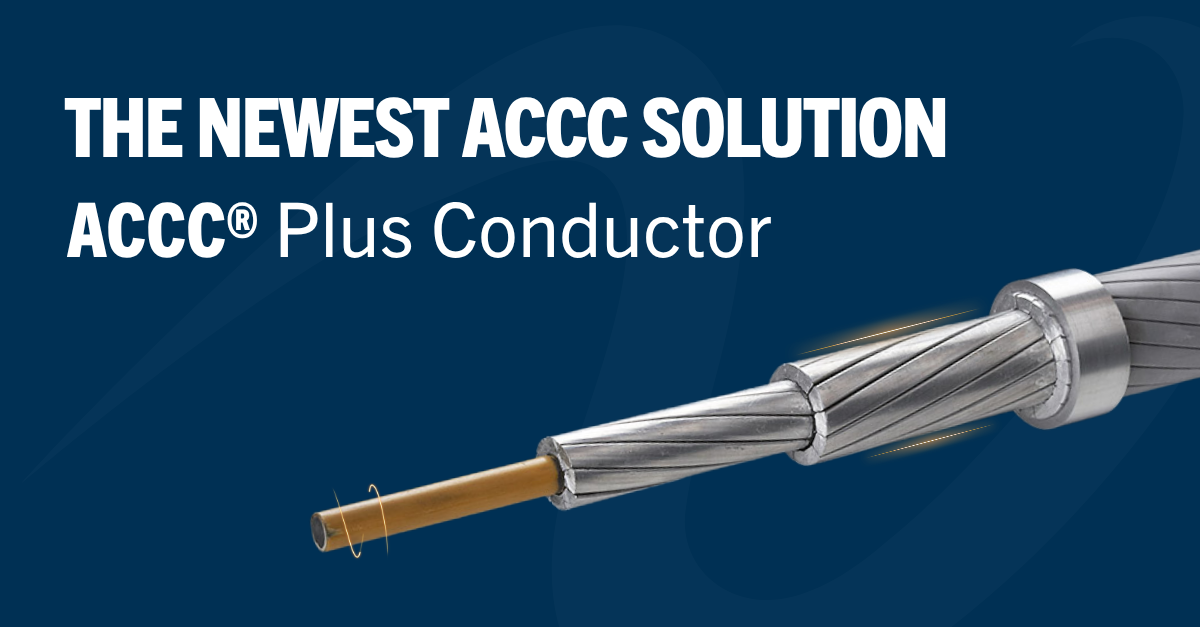
ACCC® Conductors, which utilize a hybrid carbon and glass fiber composite core surrounded by aluminum strands, provide a unique solution to these challenges. The lightweight composite core allows the finished conductor to utilize ~30% more conductive aluminum without a weight penalty to help carry more current at a lower temperatures, improving efficiency and reducing line losses. However, the combination of advanced composite materials and aluminum conductors creates unique challenges when it comes to making connections and terminations.
Why Traditional Dead-End and Splice Systems Don’t Always Work
Traditional conductor dead-ends and splices are typically designed for all-aluminum conductors or steel-reinforced conductors. These systems work well for the materials used in those conductors, but they can struggle when applied to newer, more advanced composite core conductors like ACCC® Conductor.
Several key issues can arise:
- Differential Expansion: The aluminum strands and the composite core in ACCC® Conductors have different thermal expansion properties. This can lead to strain and potential failure at connection points if the mechanical connectors are not designed to accommodate these differences.
- Mechanical Stress: A composite core, while stronger and lighter than traditional steel cores, will not plastically deform or yield like steel making them more susceptible to damage under excessive mechanical strain. A conventional crimp or clamp system can exert uneven pressure, damaging the composite core and reducing the lifespan of the conductor – especially with multistrand designs.
- Contact Consistency: The conductor needs to maintain good electrical contact while also handling mechanical loads. A poorly designed splice or dead-end can lead to corrosion or loss of contact, which could cause overheating and possible failure.
The Collet System: An Ingenious Solution
To address these challenges, CTC Global developed their unique collet system for ACCC® Conductor dead-ends and splices. The collet system was specifically designed to address the material and performance characteristics of the ACCC® Conductor while providing a robust solution for mechanical and electrical integrity.
Here’s how the collet system works and why it’s effective:
- Even Pressure Distribution: The collet system is designed to distribute mechanical pressure evenly across the conductor core. This ensures that the composite core does not experience localized stress or deformation. It also accommodates the core’s elasticity as higher tensions are encountered during wind load and ice load events.
- Accommodating Differential Expansion: The system allows for differential expansion between the aluminum strands and the composite core. As the temperature fluctuates, the collet adjusts to the movement, ensuring the connection remains secure without causing undue strain on either the aluminum or the composite core. This feature is crucial for preventing the formation of gaps, which could lead to electrical contact issues or conductor failure.
- Enhanced Durability and Reliability: The collet system helps to protect the conductor from harsh environmental conditions, such as UV exposure, extreme temperatures, and corrosive elements. Its ability to maintain tight, secure connections even under stress contributes to the overall durability and reliability of the ACCC® Conductor system.
- Ease of Installation: CTC Global’s collet system is designed for easy and fast installation. The system simplifies the process of installing dead-ends and splices, reducing labor costs and the potential for installation errors. This is an important consideration for utilities seeking to minimize downtime and improve operational efficiency.
Long-Term Benefits for Utilities
By using CTC Global’s collet system, utilities benefit from several long-term advantages:
- Reduced Maintenance: The unique design of the collet system means fewer maintenance issues related to connections, such as loosening, corrosion, or failure due to thermal expansion or mechanical strain. This contributes to longer service intervals and reduces the need for costly repairs.
- Increased Grid Efficiency: The ability of ACCC® Conductors to carry more current at a lower temperature results in reduced line losses. The collet system ensures that this increased efficiency is maintained throughout the conductor’s life by providing secure, low-resistance connections.
- Improved Reliability: Transmission line reliability is critical, especially in areas prone to extreme weather or fluctuating loads. The collet system helps to ensure that ACCC® Conductors can perform reliably in these challenging conditions, which is particularly valuable for maintaining a consistent power supply.
- Lower Lifecycle Costs: Although the initial cost of ACCC® Conductors and their associated components may be higher than traditional conductors, the long-term durability and reduced maintenance needs of the collet system can result in significant savings over the lifecycle of the transmission line.
Conclusion:
CTC Global’s unique collet system for ACCC® Conductor dead-ends and splices is a testament to the company’s commitment to advancing the performance, reliability, and longevity of the power transmission industry. By solving critical issues such as differential expansion, mechanical stress, and ensuring consistent electrical contact, the collet system provides a robust solution for utilities that rely on ACCC® Conductors for efficient and reliable power transmission.
The development of this innovative system demonstrates CTC Global’s leadership in the field of transmission line technology and its ongoing dedication to improving the performance of electrical grids around the world. As the demand for more efficient and resilient energy infrastructure continues to grow, solutions like the collet system will play a key role in shaping the future of energy transmission.