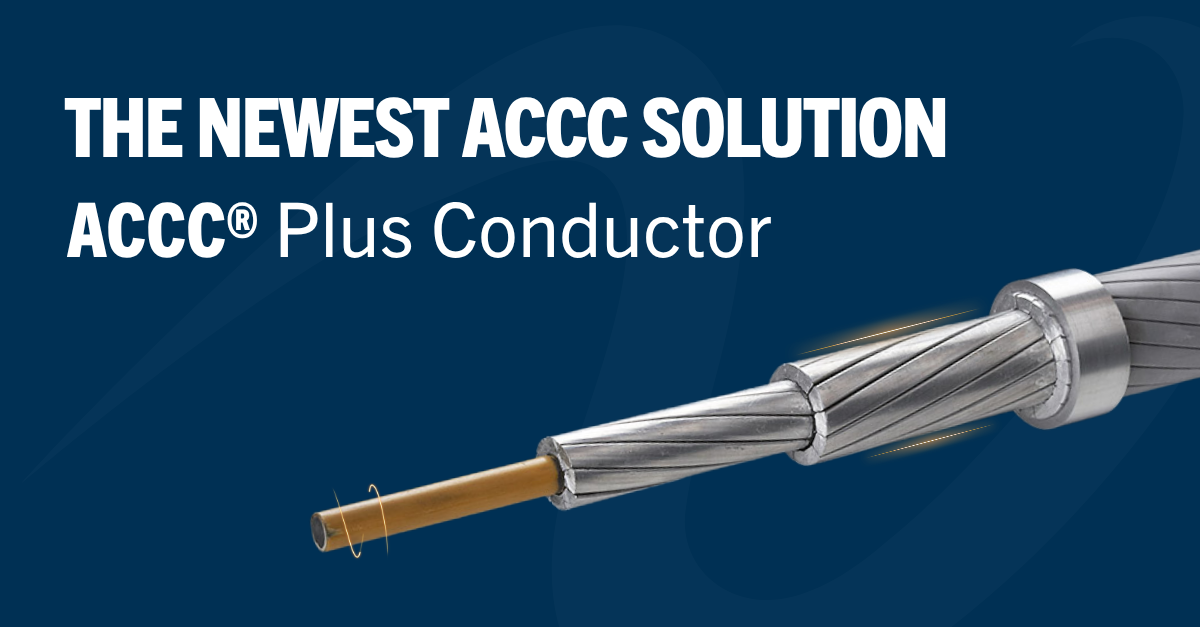
The International Electrotechnical Commission (IEC) has recently published IEC Technical Specification TS 62818-1: Conductors for Overhead Lines – Fiber Reinforced Composite Core Used as Supporting Member Material – Part 1: Polymeric Matrix Composite Cores. This Technical Specification standardizes testing methods for fiber reinforced composite (FRC) cores, which are increasingly used in overhead line conductors due to their superior strength, lightweight properties, and resistance to environmental factors.
Overview of IEC 62818-1 vs. ASTM B987-20
IEC TS 62818-1 and ASTM B987-20 are both widely referenced in the industry for testing fiber reinforced composite cores, but there are some key differences between the two documents:
-
Test Requirements
Many of the type test requirements in IEC TS 62818-1 are similar to those found in ASTM B987-20, making it easier for manufacturers to perform both sets of tests. However, IEC TS 62818-1 does not set minimum acceptance limits for the tested properties, whereas ASTM B987-20 includes specific minimum criteria for key properties such as tensile strength, elastic modulus, and galvanic layer thickness.
-
Strength Grades and Classes
Unlike ASTM B987-20, IEC TS 62818-1 does not define strength grades or classes for the composite cores. Instead, the IEC Technical Specification focuses on agreeing on testing methods and material properties between the purchaser and the manufacturer. This approach provides more flexibility, allowing manufacturers and utilities to tailor materials to specific project needs.
-
Galvanic Layer Thickness
While the ASTM B987-20 Standard specifies minimum acceptance criteria for galvanic layer thickness, IEC TS 62818-1 Technical Specification addresses the galvanic layer in terms of its inclusion in the final application, whether metallic or non-metallic. The Technical Specification mentions how to handle testing when a galvanic layer exists but does not mandate a minimum value.
-
Aging Tests
One of the most significant differences is in the aging test requirements. While ASTM B987-20 Standard uses a 52-week Heat Exposure Test to evaluate long-term durability, IEC TS 62818-1 technical Specification adopts an accelerated aging method based on the Arrhenius methodology. This involves exposing the material to multiple test temperatures (all above the maximum use temperature of the composite core material) and extrapolating the results to predict the material’s long-term performance. The goal is for the Arrhenius results to demonstrate a lifespan of at least 30 to 50+ years at the claimed continuous use temperature.
In addition, the Arrhenius method allows for extrapolating heat exposure data to determine how long the composite core can maintain an industry-acceptable tensile strength at both continuous and emergency use temperatures.
-
Testing Flexibility
While the two documents share many testing recommendations, IEC TS 62818-1 offers a more flexible approach by leaving the acceptance criteria and property limits up to the agreement between the manufacturer and purchaser. This contrasts with ASTM B987-20, which has established minimum values for key properties like tensile strength and elastic modulus.
CTC Global’s Role in Developing These Specifications
CTC Global, a leading provider of high-performance conductor solutions, has been at the forefront of testing and qualifying fiber reinforced composite cores for more than 20 years. Their ISO/IEC 17025-accredited laboratory in Irvine, California, is fully equipped to perform many of the tests required by both IEC TS 62818-1 and ASTM B987-20. This accreditation underscores CTC Global’s commitment to high-quality testing processes and their ability to provide reliable, data-driven insights into the performance of High Capacity, Low Sag (HCLS) core materials.
CTC Global was also directly involved in the development of IEC TS 62818-1 ‘Technical Specification’ and the ASTM B987-20 ‘Standard’, contributing to these documents through its participation in the IEC TC7 and ASTM committees. As an influential participant, CTC Global helped shape the testing requirements and overall direction of the specifications and standards, ensuring that the documents provide clear and effective guidance for the industry.
Additionally, CTC Global has completed extensive Arrhenius Testing on composite cores, with comprehensive reports and presentations available on the results. The company’s testing capabilities align with the requirements outlined in IEC TS 62818-1, including accelerated aging tests, and provide valuable data for verifying the long-term performance of these materials.
End Notes
IEC TS 62818-1 is a vital step forward in standardizing the testing and evaluation of fiber reinforced composite cores for overhead line conductors. While there are key differences between this Technical Specification and ASTM B987-20 Standard, both documents share common testing requirements, making it easier for manufacturers and their customers to recognize the differences between various products.
It’s important to note that IEC TS 62818-1 is a Technical Specification, not an official IEC Standard. Unlike formal standards, technical specifications offer more flexibility and act as guidelines rather than mandatory requirements. This allows manufacturers and utilities to adapt the testing criteria to specific needs.
CTC Global is proud to have played a key role in the development of this Technical Specification and the ASTM Standards through its active involvement in the IEC TC7 and ASTM committees. CTC Global and its highly experienced staff continue to support implementations with state-of-the-art, ISO-accredited testing facilities and deep expertise in the field. The publication of IEC TS 62818-1 will help ensure that the growing use of composite cores continues to meet rigorous standards for safety, reliability, and performance.