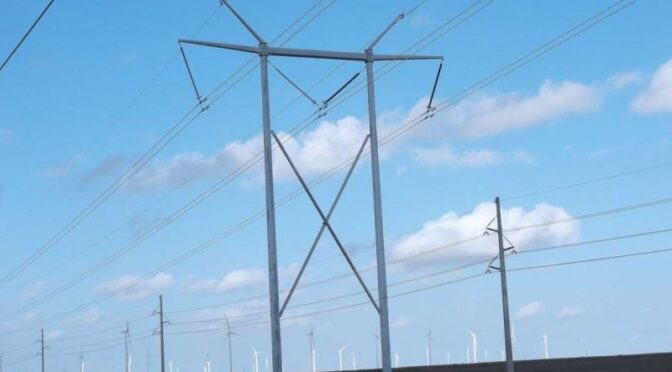
As the demand for reliable, efficient, and sustainable power continues to grow, electrical transmission engineers are looking for innovative solutions to solve the challenges posed by aging infrastructure, expanding capacity, and integrating smart grid technologies. One such breakthrough in the field of electrical transmission is CTC Global’s ACCC® Conductor. This game-changing technology is helping engineers around the world improve grid reliability and capacity while also addressing the costs and complexities associated with traditional methods.
In this article, we’ll take a closer look at how ACCC Conductors are being used to address some of the most pressing issues in transmission infrastructure. Along the way, we’ll highlight several real-world projects in the U.S. to show just how effective ACCC Conductors can be.
The Challenges of Traditional Transmission Lines
Many of the transmission systems we rely on today in the U.S. were built decades ago. While these systems were designed to meet the needs of their time, they weren’t intended to keep up with the rapid growth in power demand or to accommodate the integration of renewable energy sources. This mismatch has created a number of challenges.
For one, much of the infrastructure is aging. Many transmission lines are reaching the end of their service life, and replacing or upgrading them is a huge task. Not only does it require careful planning, but it also comes with a hefty price tag. Additionally, existing lines often can’t handle the increased demand for power, so engineers need to expand capacity, which often means building new infrastructure or upgrading what already exists.
Another hurdle is the environmental and logistical challenges that come with adding new transmission lines. Securing right-of-ways and meeting regulatory requirements can slow down the process and increase costs. With these challenges in mind, it’s clear that a more efficient solution was needed.
How the ACCC Conductor Steps In
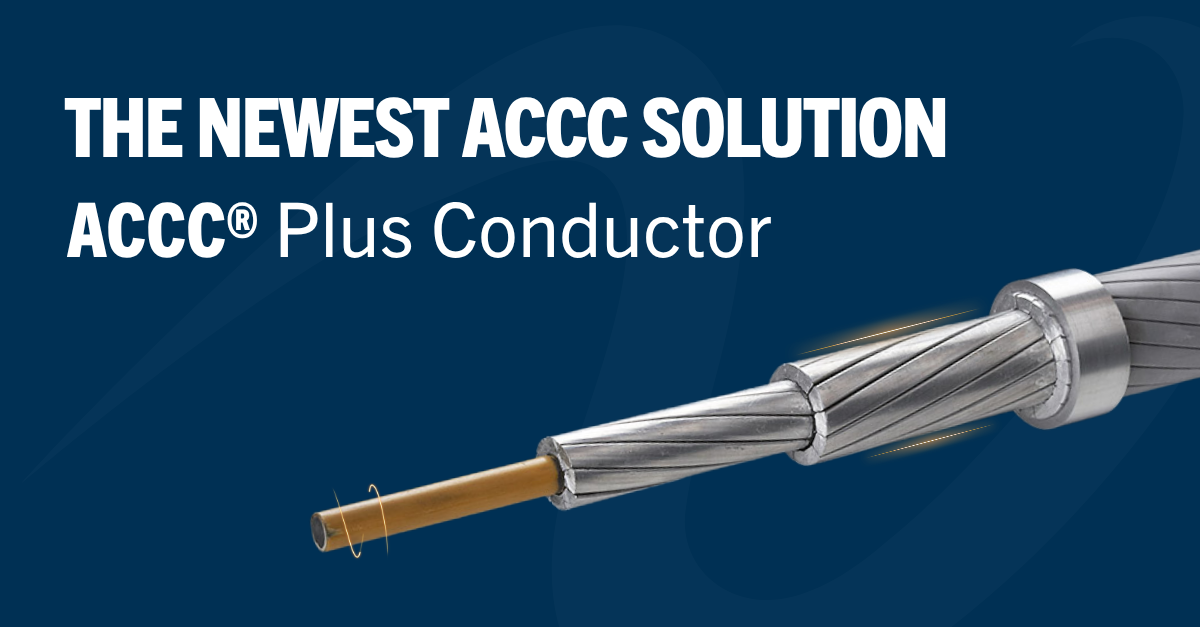
CTC Global’s ACCC Conductor provides a versatile solution to these challenges. The conductor is a high-performance technology that consists of a composite core made from carbon and glass fibers, surrounded by conductive aluminum strands. The key difference between ACCC and traditional conductors is the strength of the core. The ACCC core is significantly stronger than the steel cores used in older lines, and this allows for several key advantages.
For starters, ACCC Conductors can carry higher current densities while operating at lower temperatures. This means that transmission lines can carry more power without the need for massive upgrades to existing infrastructure. And because the lines operate cooler, they’re more efficient and cost-effective overall.
Additionally, the composite core of the ACCC Conductor is not only lighter than traditional steel-reinforced cables but also more durable. This makes it ideal for replacing aging infrastructure. In fact, in many cases, ACCC Conductors can be installed on existing towers, meaning utilities don’t need to build entirely new structures to improve performance.
Another important benefit of ACCC Conductors is their ability to reduce energy losses during transmission. Thanks to their lower operating temperatures and reduced sag, ACCC lines minimize line losses, which leads to better overall system performance and lower operating costs for utility companies.
Perhaps one of the most exciting aspects of ACCC Conductors is their ability to support the integration of renewable energy. As more solar and wind power come online, these energy sources often need to be transmitted long distances to meet demand. ACCC Conductors are perfectly suited for this task, as they can efficiently carry large amounts of energy over extended distances, helping to integrate renewables into the grid more effectively.
Real-World Examples of ACCC Conductors in Action
In the U.S., several utility companies have embraced ACCC Conductors to enhance the performance of their transmission systems. Let’s take a look at a few examples from Southern California Edison (SCE), NV Energy, and American Electric Power (AEP), each of which has seen success with ACCC Technology.
Southern California Edison (SCE) – San Bernardino Line Upgrade
As an example of one of nearly three dozen projects completed by Southern California Edison, SCE faced a significant challenge with a 66 kV transmission line in the San Bernardino area. The line had reached the end of its useful life, and it needed an upgrade to meet the growing demand for electricity, especially with the population boom in the region.
SCE chose to replace the aging line with ACCC Conductors, and the results were impressive. Not only did the ACCC Conductor enhance the line’s capacity by nearly 100%, but it also reduced sag and minimized the risk of outages due to environmental factors like extreme heat and wind. By upgrading the line, SCE was able to meet the area’s energy needs without having to construct entirely new infrastructure, which saved both time and money.
NV Energy – Reno Transmission Line
NV Energy, who has also completed around three dozen ACCC Installations, faced the challenge of upgrading a crucial 120 kV transmission line that connected Reno to nearby industrial centers. The existing line, which had been in place for decades, was struggling to accommodate growing energy demand from new datacenters.
NV Energy selected ACCC Conductors to retrofit the existing line, boosting its capacity significantly. The upgraded line not only supported increasing demand but also helped integrate renewable energy into the grid more seamlessly. The ACCC Conductors reduced sag and minimized line losses, which improved system efficiency and reduced overheating. Plus, because the retrofit didn’t require new right-of-ways, the project was both cost-effective and environmentally friendly.
American Electric Power (AEP) – 345 kV Line in Texas
American Electric Power (AEP) also turned to ACCC Conductor for a number of projects in their territories including a major upgrade to a 345 kV transmission line in Texas. The state has seen significant growth in wind energy capacity, and AEP needed to upgrade its transmission infrastructure to handle both this growing renewable capacity and increasing population demands.
AEP chose to retrofit the existing line with ACCC Conductors. This allowed the company to enhance the line’s capacity without building new towers or making drastic changes to the right-of-way. The ACCC Conductor’s reduced sag, improved efficiency, and higher capacity enabled AEP to more effectively transport both conventional and renewable power across the state. This upgrade not only supported Texas’ renewable energy initiatives but also improved grid reliability.
What’s Next for ACCC Technology?
As transmission engineers continue to face the challenges of aging infrastructure and increasing energy demand, ACCC Conductors are quickly becoming a go-to solution. Their ability to retrofit existing infrastructure with minimal disruption, combined with their superior electrical and mechanical properties, makes them an appealing choice for utilities seeking to improve grid performance in a cost-effective way.
Looking forward, ACCC Conductors are poised to play an even more prominent role in the modernization of the U.S. power grid. As smart grid technologies evolve and renewable energy integration becomes even more critical, ACCC Conductors will help ensure that the transmission grid can support these changes. They’ll continue to play a pivotal role in enabling the future of energy distribution, ensuring that the grid remains resilient, reliable, and ready for tomorrow’s challenges.
CTC Global’s ACCC® Conductor is proving to be a vital tool in the ongoing effort to modernize and improve electrical transmission systems. By enhancing transmission capacity, reducing costs, and supporting the integration of renewable energy, ACCC Technology is helping to address some of the most pressing challenges in the power grid. Projects with companies like Southern California Edison, NV Energy, and American Electric Power in Texas are proving the value of ACCC Conductors, which are transforming the nation’s aging infrastructure into a more efficient, reliable, and sustainable network. With over 1,350 ACCC Installations completed across 68 countries, the future of electrical transmission is brighter than ever.