Introduction
The global proliferation of data centers is reshaping economies and infrastructure worldwide. These facilities, essential for data storage and processing, have become pivotal in the digital age, driving significant economic growth and technological advancement.
Global Economic Impact of Data Centers
Data centers have evolved into critical components of modern economies. Their expansion has led to substantial job creation; between 2017 and 2021, data-center-related employment in the U.S. surged by 20%, reaching 3.5 million jobs – a stark contrast to the 2% overall employment growth during the same period. Each direct job in the data center industry is estimated to generate an average of 7.4 ancillary jobs, underscoring their extensive economic ripple effect.
Beyond employment, data centers contribute significantly to local economies through tax revenues and by attracting technological investments. Their presence often serves as a catalyst for further economic development, fostering innovation and supporting the digital infrastructure necessary for various industries.
The Case of NV Energy and Advanced Conductor Implementation
In Northern Nevada, the rapid growth of the data center industry presents both opportunities and challenges. Doug Cannon, President and CEO of NV Energy, highlighted that the region’s electrical grid might need to quadruple in size to meet the escalating demands of data centers. This expansion necessitates substantial investments in energy infrastructure, with estimates reaching into the billions of dollars.
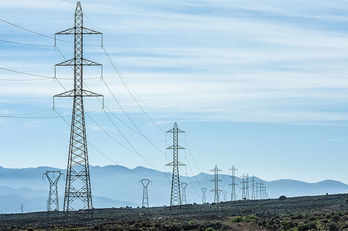
To address these demands efficiently, NV Energy has proactively upgraded its transmission and distribution (T&D) lines using advanced technologies. Notably, the company has completed over two dozen projects utilizing CTC Global’s ACCC® Conductors. These high-capacity, energy-efficient conductors can carry approximately twice the current of traditional conductors of the same size and weight, thereby enhancing the grid’s capacity without the need for constructing new transmission lines. They also reduce line losses by 25 to 40% or more – which helps reduce generation capacity demand.
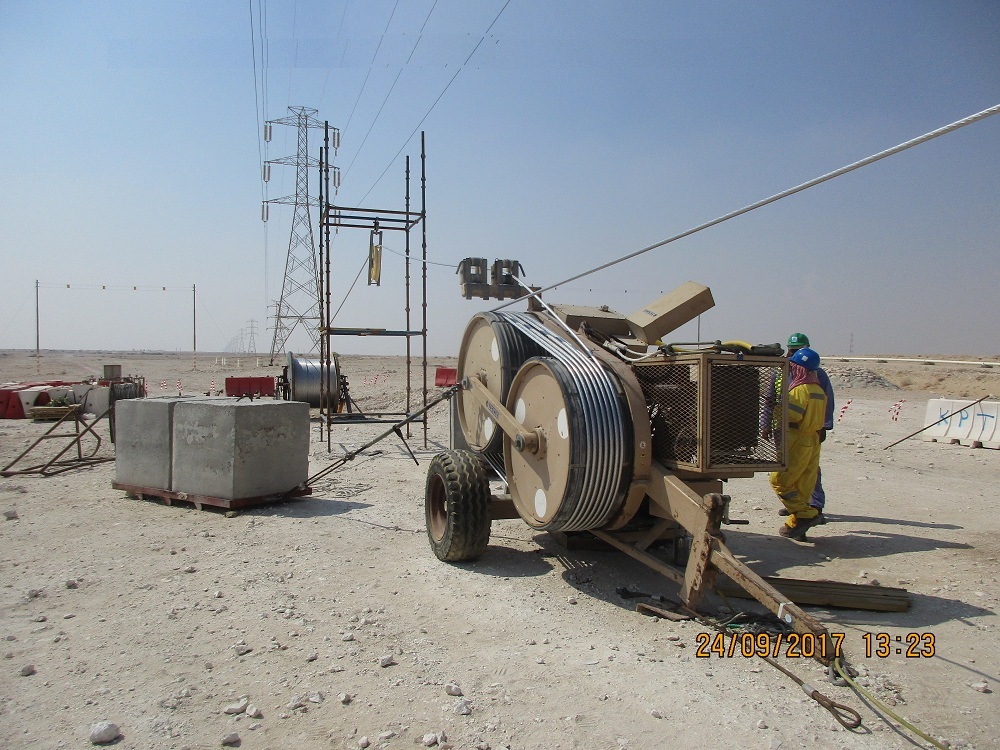
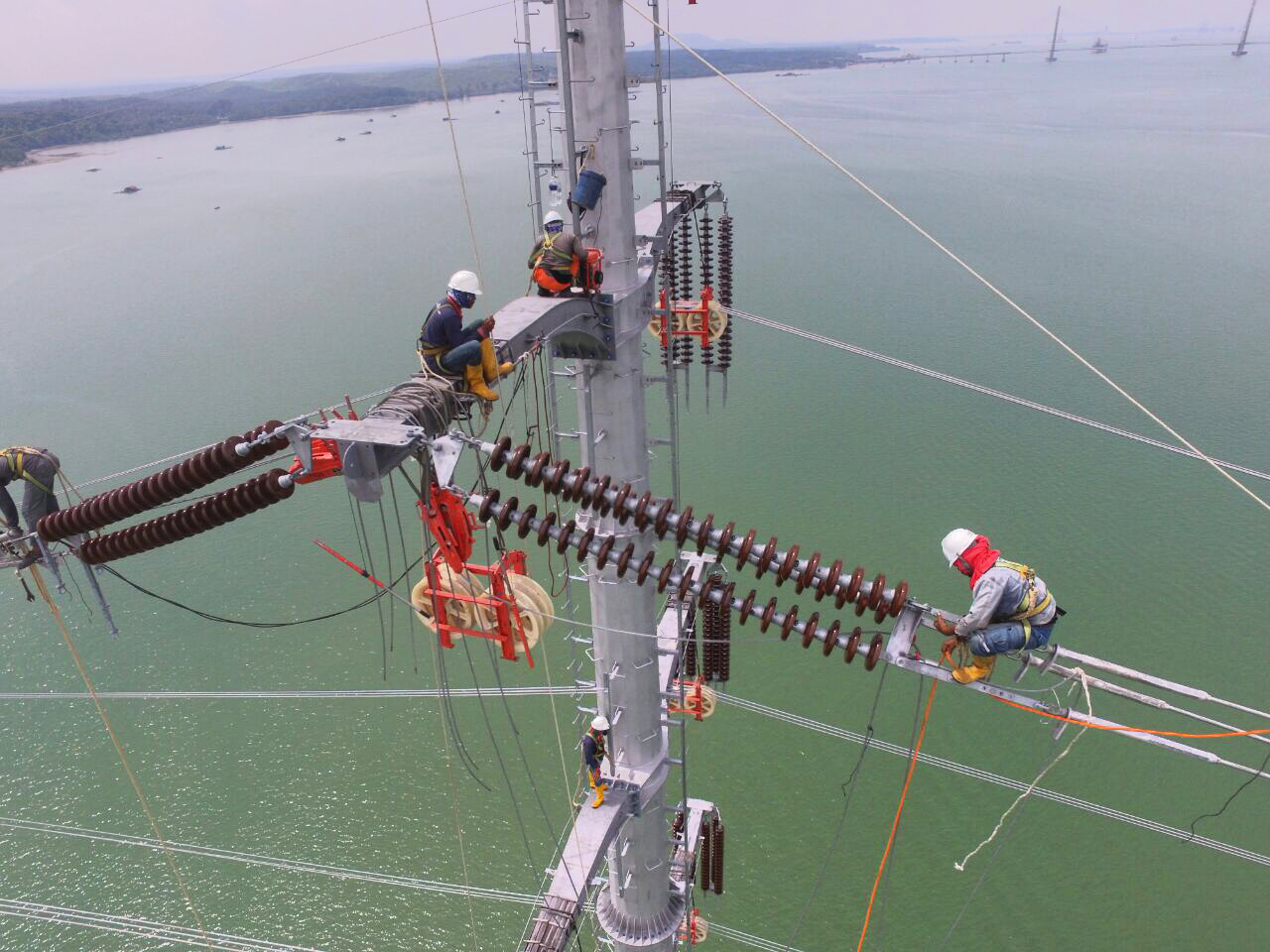
One such project is the Wild Horse to Comstock Meadows 120 kV transmission line near Reno, Nevada. For this project, NV Energy selected the 1949 kcmil Lapwing size ACCC Conductor, supplied by Prysmian, with installation support from Summit Line Construction and oversight by CTC Global’s Master Installers. The conductor was installed on new H-frame and mono-pole structures over moderately hilly terrain, exemplifying the practical application of advanced conductors in enhancing grid reliability and capacity.
Global Adoption of Advanced Conductors
The challenges faced by NV Energy are not unique; utilities worldwide are encountering similar issues as data center demands escalate. The global data center market has experienced steady growth, with a notable acceleration in recent years. This surge has prompted a reevaluation of existing power infrastructures and the adoption of advanced technologies to enhance capacity and efficiency.
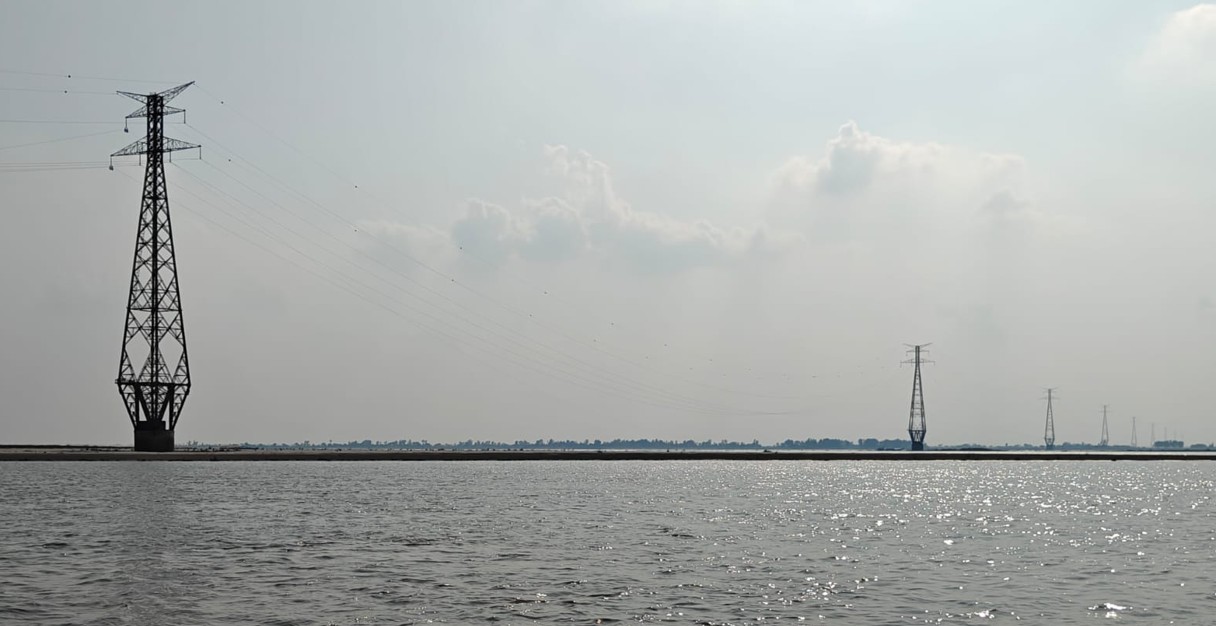
Advanced conductors like the ACCC® Conductor are being increasingly adopted globally to upgrade existing T&D lines. Their ability to carry higher currents with reduced thermal sag makes them ideal for modernizing power grids to meet contemporary demands. For instance, utilities in various countries have implemented ACCC® Conductors to improve transmission efficiency and accommodate higher loads without the environmental and financial costs associated with building new transmission corridors.
Key Takeaways
The expansion of data centers is a global phenomenon with profound economic implications. As these facilities continue to proliferate, the demand for reliable and efficient electrical infrastructure becomes increasingly critical. Utilities like NV Energy are leading the way by integrating advanced conductor technologies to enhance grid capacity and reliability, ensuring they can meet the burgeoning energy needs of data centers while supporting economic development. This approach not only addresses immediate demands but also positions regions to capitalize on future technological advancements and economic opportunities.