The 2025 report from the Energy Systems Integration Group (ESIG), “Utility Perspectives on Making Grid-Enhancing Technologies Work,” offers a timely, insightful, and action-oriented view into the evolving landscape of Grid-Enhancing Technologies (GETs). On behalf of CTC Global, we extend our sincere appreciation to the report’s authors—James Okullo, Jay Caspary, Ken Donohoo, and Erik Ela—as well as the many utility professionals and system operators whose contributions and candor have helped shape this landmark study.
As the report makes clear, our grid stands at a pivotal juncture. With surging demand from data centers, electrification, and clean energy integration, combined with aging infrastructure and costly congestion, the urgency to modernize our transmission system has never been greater. ESIG’s 2025 GETs report does more than diagnose the problem—it offers practical, field-tested solutions and, perhaps most importantly, amplifies the voices of those already making progress.
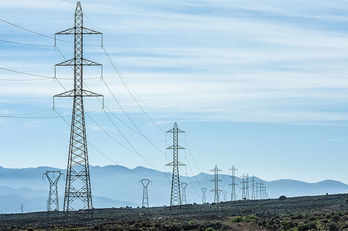
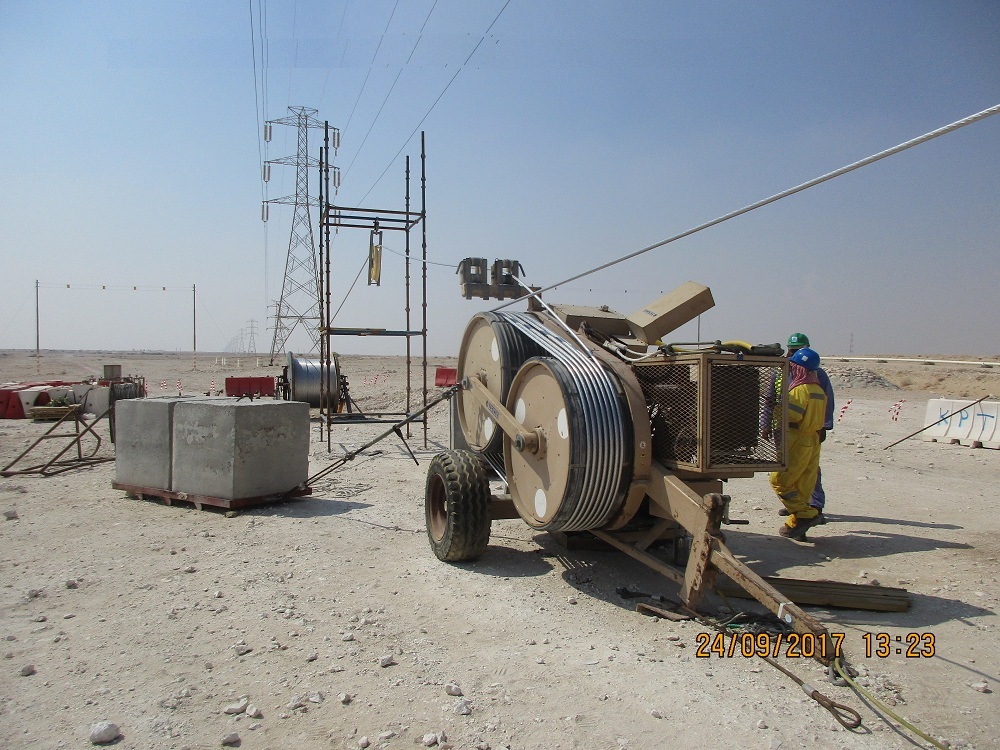
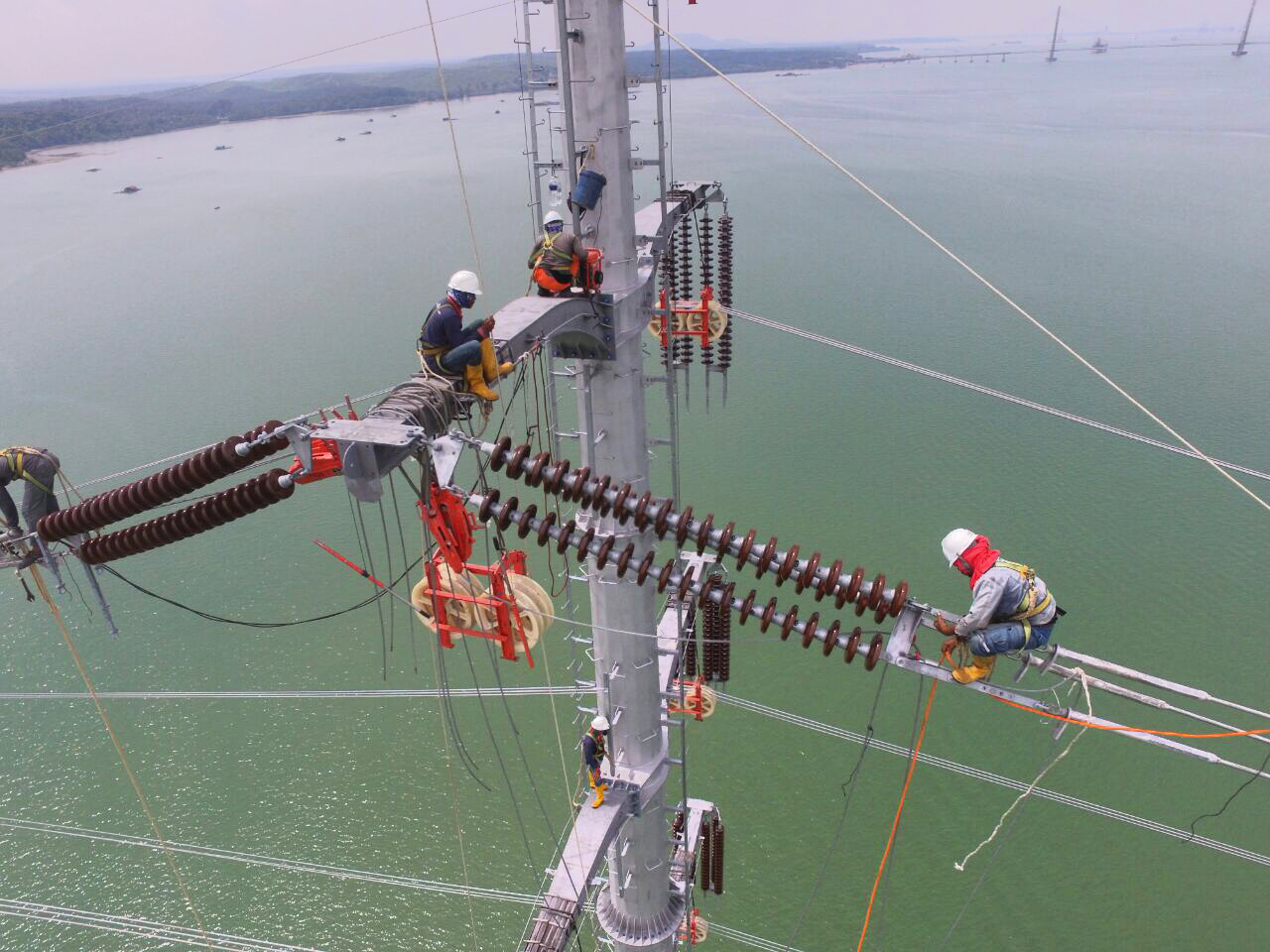
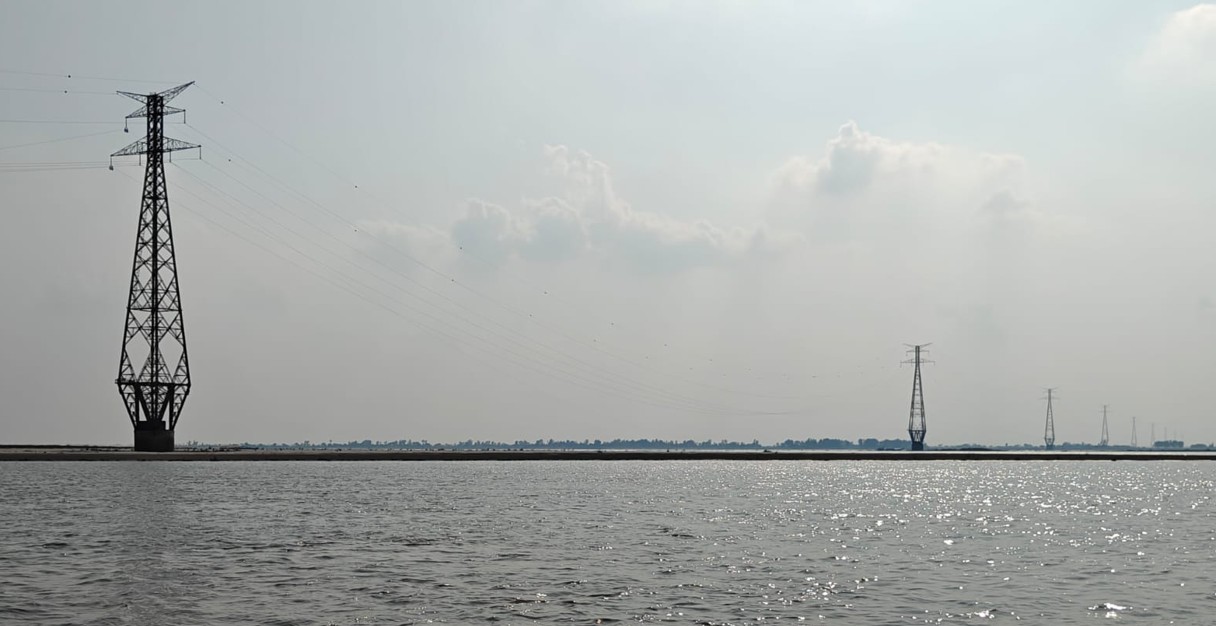
Among the four key technology categories explored—Dynamic Line Rating (DLR), Advanced Power Flow Control (APFC), Transmission Topology Optimization (TTO), and Advanced Conductors—the role of Advanced Conductors stands out for its maturity, scalability, and substantial track record. The report highlights multiple successful deployments, including Southern California Edison’s installation of over 385 miles of composite-core conductor with plans to reconductor hundreds more.
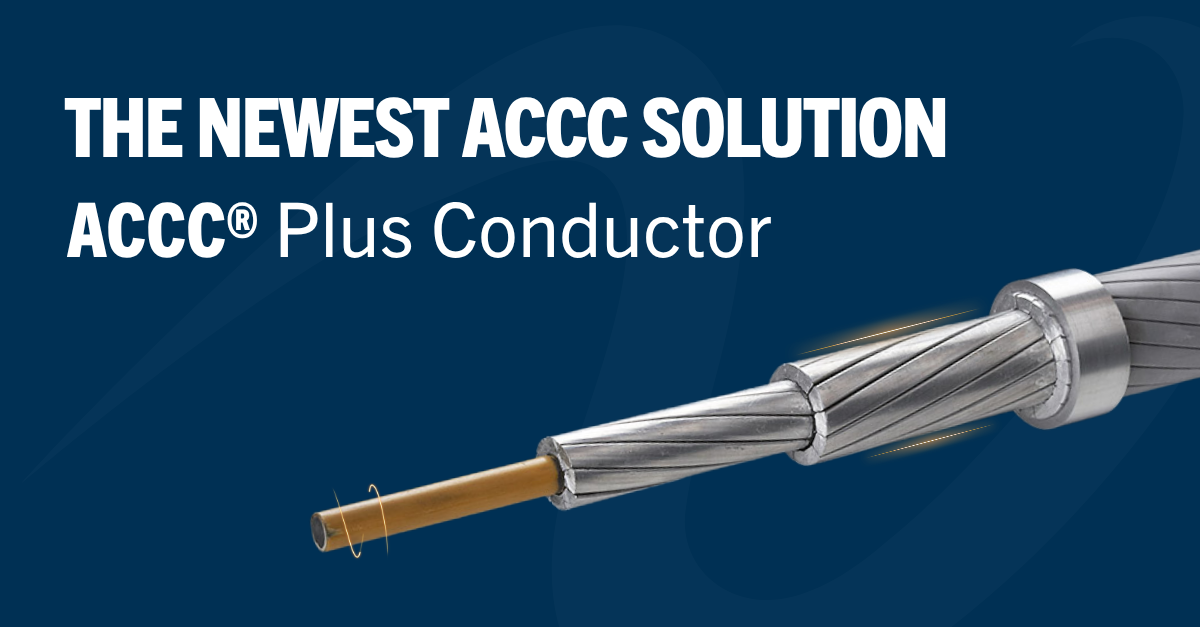
CTC Global is proud that many of these projects feature the ACCC® Conductor, the world’s most widely deployed Advanced Conductor. With over 185,000 kilometers installed across more than 65 countries and 30 U.S. states, the ACCC® Conductor has proven its ability to double the capacity of existing lines, reduce line losses, and improve system efficiency and resilience—often without requiring structure modifications or new rights-of-way.
The ESIG report rightly emphasizes that Advanced Conductors like ACCC® Conductor are not just short-term fixes—they are long-term investments with enduring value. Unlike other GETs that may face modeling or forecasting challenges in long-term planning studies, ACCC® Conductor’s performance is fixed, predictable, and well-understood, making it a trusted solution for reconductoring and new line design alike.
At CTC Global, we remain committed to supporting utilities and grid operators with not only the most advanced overhead conductor technologies available but also the tools and data to drive confidence and transparency. Our new Google-CTC Global partnership, launched in 2025, exemplifies this vision. By leveraging Google’s infrastructure investment capability and CTC Global’s technology leadership, we are enabling qualified utilities to access project funding that accelerates deployment of ACCC® and other modern grid solutions. This initiative aligns directly with the report’s call to remove institutional and financial barriers to GETs implementation.
As ESIG’s report highlights, GETs are essential bridges to the future grid—and Advanced Conductors form a strong foundation. We encourage ESIG and its GETs User Group to continue this important work, and we invite even broader utility participation in shaping the next wave of planning, deployment, and policy alignment.
CTC Global stands ready to support this journey with proven solutions, field experience, and a deep commitment to helping utilities build a modern, efficient, and resilient grid.