Over the past two decades, the transmission industry has undergone a quiet but profound transformation. The steel-reinforced aluminum conductors that carried electricity for over a century are increasingly being replaced – or strategically upgraded – with advanced designs featuring carbon fiber composite cores.
These Advanced Conductors deliver higher capacity, reduced sag, and improved efficiency. But their performance and long-term reliability hinge on the integrity of the composite core. If the core fails, so does the conductor – along with the reliability, safety, and resilience of the grid.
That’s why two key technical documents now sit at the heart of how the industry defines, tests, and trusts composite cores: ASTM B987-20 and IEC TS 62818-1.
ASTM B987-20: Setting the Bar for Performance
ASTM B987-20, Standard Specification for Carbon Fiber Thermoset Polymer Matrix Composite Core (CFC) for use in Overhead Electrical Conductors, takes a prescriptive approach.
It gives utilities, manufacturers, and regulators not just a shared vocabulary, but a shared benchmark for performance. This standard:
- Defines tensile strength requirements for Standard, High, and Extra High Strength grades of core.
- Establishes thresholds for glass transition temperature, heat endurance, and mechanical retention after bending and thermal exposure.
- Specifies exact test methods and minimum values for compliance.
The rigor here is deliberate. A transmission line core must survive decades of thermal cycling, mechanical loading, and environmental stress without losing strength. ASTM B987 removes ambiguity: a product either meets the threshold – or it doesn’t.
For utilities, this binary clarity is invaluable. It means procurement and engineering teams can make decisions based on hard, verifiable data – not marketing claims.
IEC TS 62818-1: Standardizing the Playing Field
IEC TS 62818-1, Conductors for overhead lines – Fiber reinforced composite core used as supporting member material – Part 1: Polymeric matrix composite cores, takes a different but complementary path.
Rather than dictating specific acceptance values, IEC TS 62818-1 provides a unified framework for evaluating polymeric composite cores:
- Standardizes definitions and terminology.
- Specifies how tests are performed.
- Outlines sampling protocols.
- Details how parameters like maximum continuous operating temperature are determined.
The goal is comparability. Product designs, materials, and manufacturing methods vary across the industry. Without harmonized testing, results from one lab or manufacturer might be impossible to compare with another. IEC TS 62818-1 ensures a level playing field, so data is meaningful and comparable across borders.
Why They Matter
These two standards address the industry’s most persistent adoption challenges:
- Comparability – Utilities need to fairly compare one manufacturer’s composite core to another’s.
- Confidence – They need assurance that performance claims are backed by credible, transparent, and repeatable testing.
ASTM B987-20 delivers assurance by setting hard performance thresholds. IEC TS 62818-1 delivers comparability by ensuring the same testing protocols everywhere.
Together, they form a foundation for trusted procurement decisions—and for building long-term confidence in advanced conductor technologies.
Supporting Grid Modernization
The stakes are high. Grid modernization is accelerating due to:
- Renewable integration
- Electrification of transportation and industry
- Greater resilience needs in the face of extreme weather
In many cases, the fastest, most cost-effective upgrade path is reconductoring – replacing existing conductors with advanced ones. Here, the composite core must perform flawlessly from day one through decades of service.
A failed core can mean catastrophic outages, infrastructure damage, and a loss of trust in the technology. ASTM B987-20 and IEC TS 62818-1 serve as guardrails, protecting utilities, customers, and the grid itself.
A Maturing Market
When advanced conductors first emerged, early adopters often relied on proprietary testing or limited data. As adoption grows and more manufacturers enter the field, the demand for universally accepted references has become urgent.
- ASTM B987-20 meets this need in North America and anywhere prescriptive criteria are needed.
- IEC TS 62818-1 supports global harmonization, helping products tested in one region to be evaluated and understood in another.
Together, they bridge local compliance with global market participation.
Choosing A Conductor You Can Trust
While other conductors claim to be the next generation conductor, CTC Global combines thorough testing, proven results, and field experience to provide confidence in long-term performance.
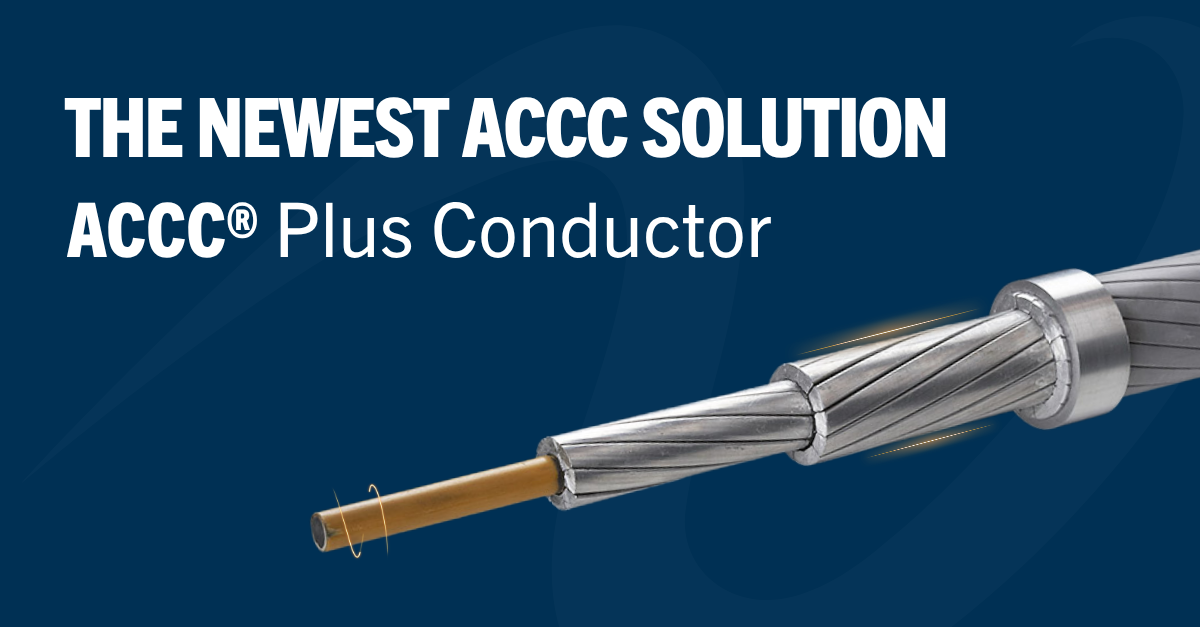
The ACCC® Conductor doesn’t just meet ASTM B987-20 and IEC TS 62818-1 – it’s been leading with them for years:
- Backed by comprehensive laboratory performance data
- Proven in over 185,000 km of field installations worldwide
- Trusted by hundreds of utilities for critical grid projects
With grid reliability more important than ever, choosing a conductor with proven performance helps utilities plan confidently and maintain dependable service.