The transmission grid is entering a once-in-a-century expansion cycle. Electrification, renewable integration, AI and data center growth, industrial reshoring, and resilience requirements are converging at unprecedented scale. Policy is moving in step: the Federal Energy Regulatory Commission’s Order 1920 mandates long-term planning that explicitly considers advanced technologies, including Grid-Enhancing Technologies (GETs) and High-Performance Conductors (HPCs).
That guidance is essential, but the real acceleration is happening in statehouses and commissions. Legislators and regulators are now asking a pragmatic question: How do we expand capacity and reliability quickly, affordably, and with minimal disruption? The answer is increasingly clear: deploy GETs and harness the efficiency of next-generation conductors.
State Momentum: From Policy Mandates to Actionable Standards
Across the country, state initiatives are aligning around GETs and Advanced Conductor efficiency:
- Virginia (HB 862, 2024): Requires utilities to evaluate GETs and Advanced Conductors in resource plans – cementing efficiency as a planning standard.
- California (SB 1006, 2024): Establishes recurring evaluations of GETs and Reconductoring – embedding conductor efficiency in long-term planning cycles.
- Minnesota (HF 5247, 2024): Requires congested corridors to be assessed for GETs and efficient reconductoring – directly targeting bottlenecks.
- Maine (LD 589, 2024): Directs regulators to prioritize GETs and efficient conductor solutions before major upgrades.
- Montana (HB 729, 2023): Requires Advanced Conductor options to be considered in transmission upgrades to balance exports and reliability.
- New York (PSC Order, 2024–2025): Formalizes a recurring process to scout and integrate advanced transmission technologies into utility planning.
This is not a handful of isolated pilots – it’s a national trend. States are systematically ensuring utilities evaluate the proven benefits of efficient reconductoring before defaulting to slow, expensive new rights-of-way.
Why Efficiency Must Be Central
GETs (dynamic line ratings, power-flow control, topology optimization) optimize existing assets. Advanced Conductors transform the assets themselves.
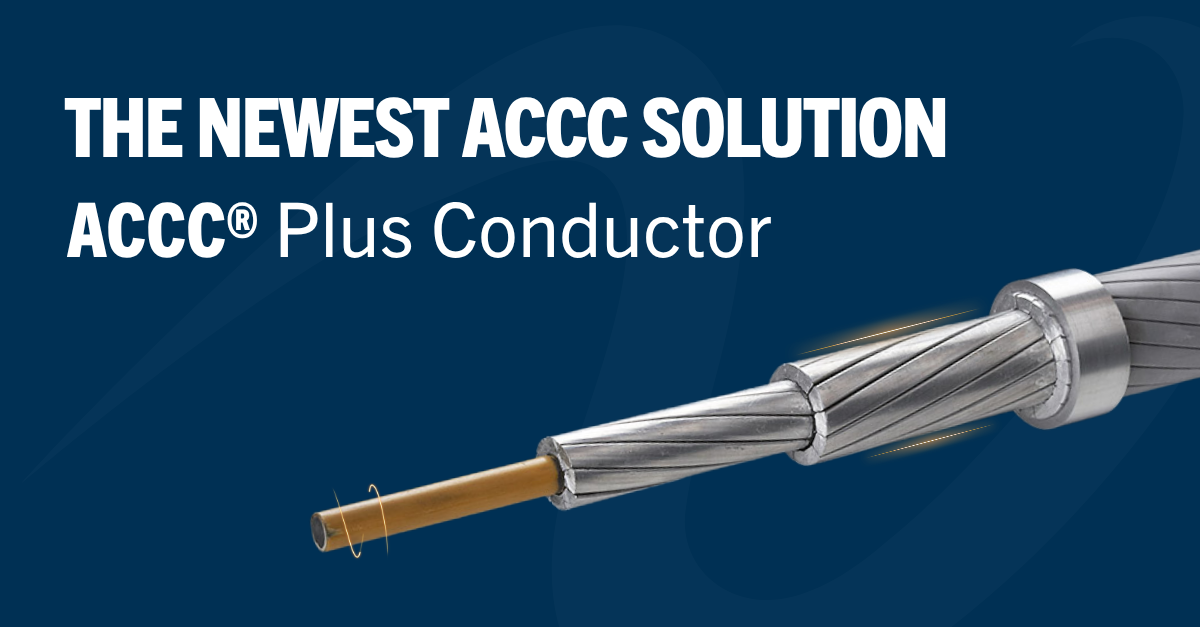
CTC Global’s ACCC® Conductor, the world’s first and most widely deployed carbon-fiber composite core conductor, enables more aluminum in the same diameter and weight compared with steel-core legacy designs. The result: 25–40% lower line losses, higher current capacity, reduced thermal sag, and dramatically improved reliability under all load conditions.
When GETs and ACCC® Conductor are combined, utilities can unlock real capacity, accelerate interconnections, and deliver cheaper, cleaner power. Policymakers have recognized this synergy; now utilities are implementing it at scale.
CTC Global: Proven Leadership, Next-Generation Technology
Competitors are beginning to echo the language of Advanced Conductors. But while others make claims, CTC Global delivers results.
- Unmatched Track Record: More than 1,400 ACCC® Projects completed in 69 countries and 30 U.S. states – by far the most extensive global deployment of next-generation conductors.
- Beyond the Standard: CTC Global not only meets but exceeds ASTM B-987 and IEC TS 62818 standards, validating long-term mechanical, thermal, and environmental performance with rigorous internal testing.
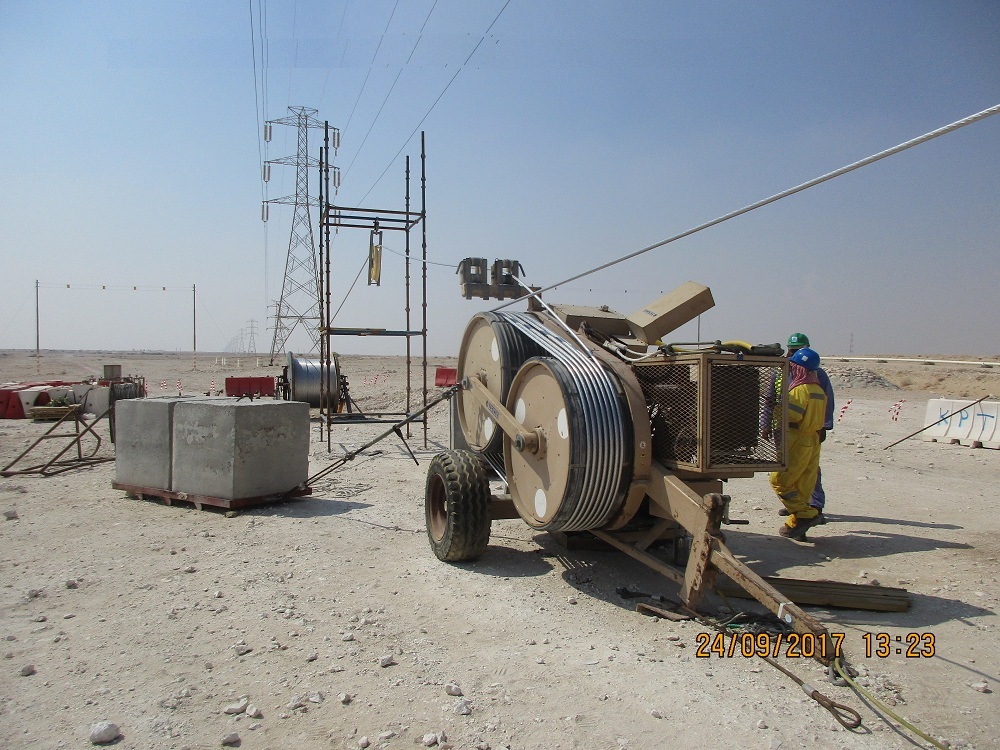
- Complete Hardware Ecosystem: CTC engineered a full suite of purpose-built ACCC® Hardware – splices, dead-ends, and fittings – that ensure reliable, high-temperature performance across decades of service.
- Field-Proven Assurance: CTC’s patented ACCC InfoCore® System uniquely allows utilities to verify core integrity in the field – before, during, and after installation. This level of assurance is unmatched by any competitor.
This combination – proven conductor performance, purpose-built hardware, and field verification – is why utilities trust CTC Global to deliver real capacity, on real lines, every time.
Backed by Global Leaders
In 2025, Google joined forces with CTC Global to accelerate reconductoring across the U.S. Together, we are supporting utilities with funding, workforce training, and technical assistance to ensure ACCC® Deployments deliver near-term, high-impact results. This collaboration underscores the urgency of upgrading the grid and confirms market confidence in ACCC® Conductor as the most advanced and scalable conductor solution available today.
A Practical Playbook for States and Utilities
To translate policy into results, utilities and commissions are finding success with four straightforward steps:
- Bake in GETs & HPCs early. Order 1920 and multiple state laws expect utilities to screen for efficiency solutions at the earliest planning stages.
- Value efficiency explicitly. Line-loss reductions translate directly to lower delivered energy costs, reduced emissions, and improved capacity.
- Use proven tools. Hardware ecosystems and field-verification like the ACCC InfoCore® System reduce project risk and speed approvals.
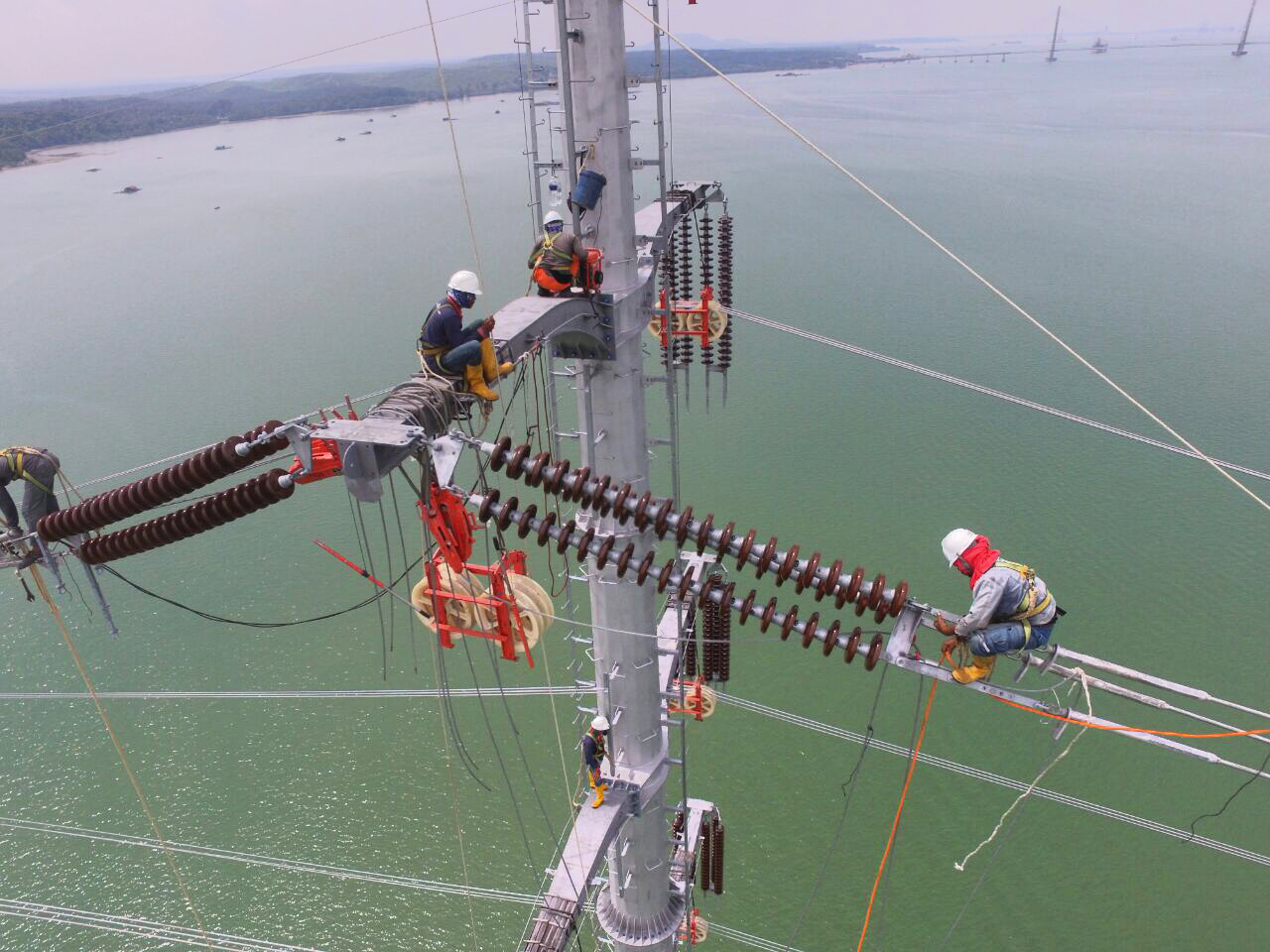
- Sequence for speed. Reconductoring with ACCC® Conductor delivers capacity upgrades years faster than greenfield transmission and months faster than rebuild projects.
Looking Forward
The mission is urgent: expand capacity, improve resilience, and reduce delivered energy costs – this decade, not the next.
While others are just beginning to market their claims, CTC Global has already set the benchmark with over 1,400 successful deployments. ACCC® Conductor is not just another conductor – it is the next-generation standard, continuously refined through engineering excellence, field validation, and partnerships with utilities worldwide.
CTC Global will continue raising the bar in conductor performance – ensuring states, utilities, and system operators can deliver clean, affordable, and reliable power to meet the demands of the new energy era.
For more information, please visit www.ctcglobal.com.