The electric grid is being asked to deliver results it was never designed to achieve on current timelines. Load growth is accelerating, infrastructure development remains slow, and tolerance for failure is shrinking. The widening gap between what the grid must deliver and what it can realistically build has become one of the defining challenges facing utility leadership this decade.
For years, the energy transition was framed as a question of technology readiness or capital availability. That framing no longer holds. The technologies required to move more power efficiently already exist. Capital, while still demanding discipline, is increasingly accessible. What has become genuinely scarce is time – and time is now inseparable from reliability, affordability, and public trust in the power system.
This shift has profound implications for how transmission strategy must be evaluated.
Fact #1: Load Growth Is Advancing Faster Than Transmission Can Be Built
Demand is no longer arriving in the gradual increments most planning processes were designed to manage. Artificial intelligence, large-scale data centers, electrification, and advanced manufacturing are already reshaping load forecasts across many regions. In some service territories, projected growth now resembles the addition of entire cities compressed into just a few planning cycles.
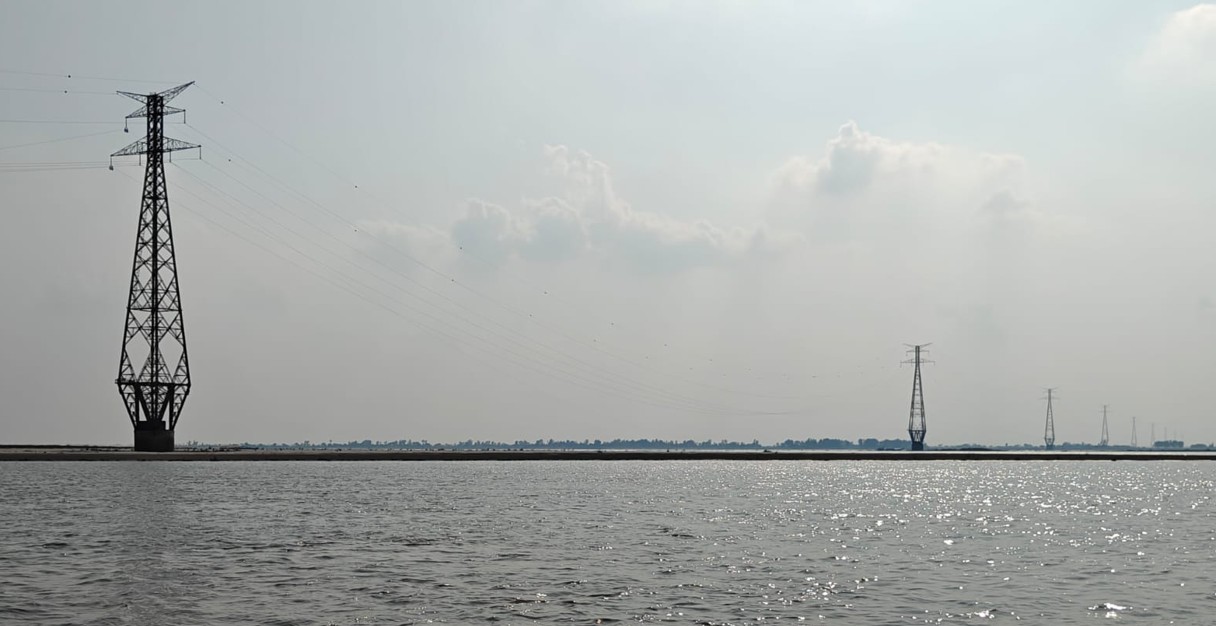
Transmission development, however, still moves at a pace measured in decades. New corridors, major rebuilds, and multi-jurisdictional approvals remain slow, uncertain, and increasingly contested. Even under optimistic permitting reform scenarios, large-scale greenfield transmission cannot arrive fast enough to match current demand trajectories.
This misalignment is no longer theoretical. It is showing up as rising congestion costs, expanding interconnection backlogs, and thinning operational margins during periods of system stress. Utilities are being asked to support economic growth and electrification goals with infrastructure that simply cannot be delivered on comparable timelines.
Fact #2: Delay Now Carries Measurable Risk
There is meaningful momentum behind policy reform. Permitting modernization, long-term transmission planning mandates, and evolving regulatory frameworks are steps in the right direction. But even in the best cases, these changes will take time to implement, litigate, and normalize.
The grid does not have the luxury of waiting.
Each year of delay quietly compounds risk. Congestion costs continue to rise while legislation advances. Interconnection queues grow longer while rules are rewritten. Peak demand does not pause for stakeholder alignment. In fast-growing regions, postponement no longer preserves optionality – it consumes it.
This is where the industry’s risk calculus has inverted. Decisions once viewed as conservative now embed their own exposure. Defaults that rely exclusively on legacy conductors and historic assumptions lock in congestion, defer generation, and push consequences into future planning cycles that may arrive too late. Inaction, once neutral, has become an active decision with operational and financial consequences.
Fact #3: Significant Transmission Capacity Already Exists – If Utilities Unlock It
Against this backdrop, Advanced Conductors matter not as a theoretical innovation, and not as a replacement for long-term transmission expansion, but as one of the few tools capable of delivering meaningful capacity within today’s constraints.
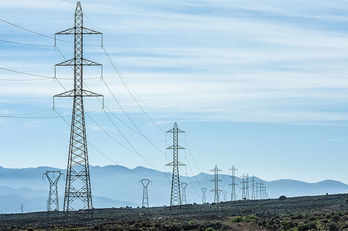
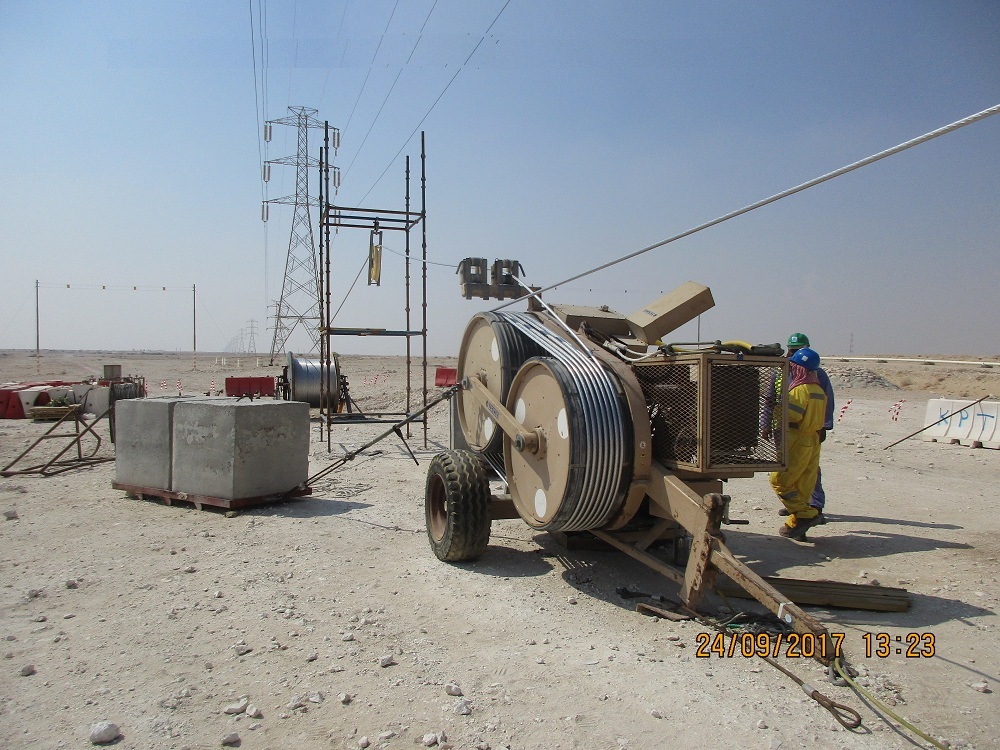
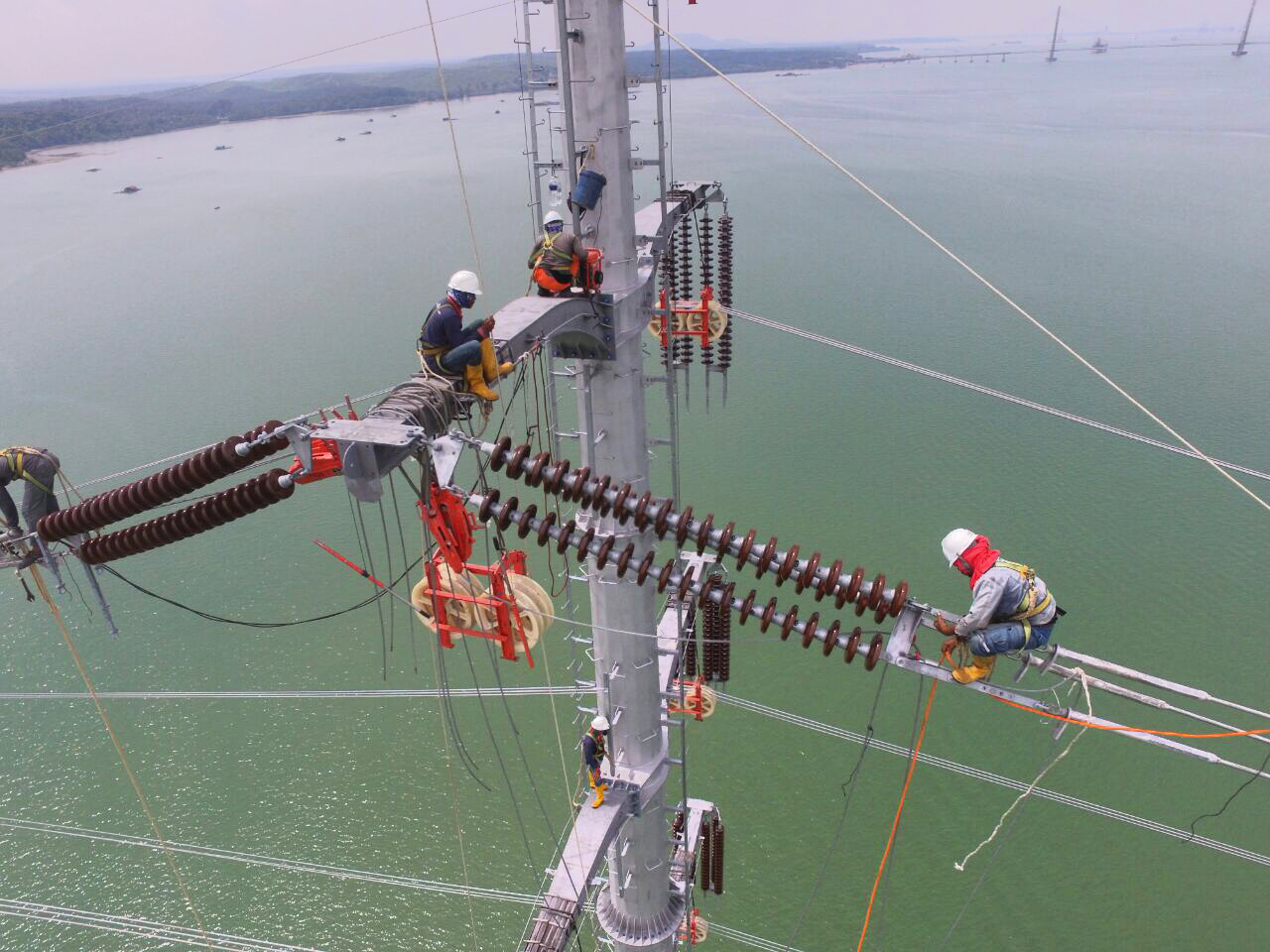
A largely underappreciated reality is that substantial transmission capacity is already embedded in existing corridors. Reconductoring those lines with proven Advanced Conductors like ACCC® Conductor allows utilities to unlock that capacity without opening new rights-of-way or restarting multi-year permitting processes. In many cases, projects can move from approval to energization on timelines measured in months or a few years – timelines that actually align with how load is growing today.
From an executive standpoint, this matters because it reduces exposure at the most fragile point in the system. Reconductoring shortens the path from decision to capacity, limits permitting risk, improves capital efficiency, and enhances performance under extreme operating conditions. In heat-stressed or wildfire-prone regions, maintaining clearance and stability at elevated operating temperatures is no longer a secondary consideration – it is a safety and liability issue.
Proven Technology, Misplaced Caution
Urgency does not excuse uncertainty, and utility leaders are right to be cautious about solutions that introduce operational or reputational risk. That caution is healthy – but it must be aimed in the right direction.
A growing challenge across the industry is not excessive risk-taking, but excessive deferral. Technologies that have been deployed at scale, in real-world conditions, for decades are still routinely framed as “emerging” or in need of further study. Evaluation has quietly become a substitute for execution.
Independent research organizations play a critical role when technologies are new or unproven. But when solutions have accumulated decades of operating history, tens of thousands of circuit-miles, and repeatable field performance, continued classification as experimental stops adding value and starts adding friction.
At that point, assessment is no longer risk management. It is risk transfer.
Composite-core Advanced ACCC Conductors have been deployed globally for more than twenty years, at high voltages and across diverse environments. They have endured thermal cycling, long spans, extreme weather, and daily operational stress. Their value lies not in novelty, but in predictability: higher ampacity without increased sag, stable performance at elevated temperatures, reduced losses, and consistent results when deployed at scale.
Acting Now, Without Overreaching
Advanced Conductors do not eliminate the need for new transmission, nor do they solve every structural challenge facing the grid. What they do is buy time – time for policy reform to take hold, for larger projects to navigate permitting, and for planning processes to catch up with reality.
The energy transition is not stalled for lack of ideas. It is constrained by the pace at which infrastructure can be delivered under real-world conditions, and by habits that continue to treat proven solutions as theoretical.
Utility executives who succeed in this environment will be those who recognize that urgency is no longer rhetorical. It is operational. Advanced Conductors are not the end of the story, but they remain one of the most practical ways to move it forward now. In a system where delay increasingly defines risk, that distinction matters.