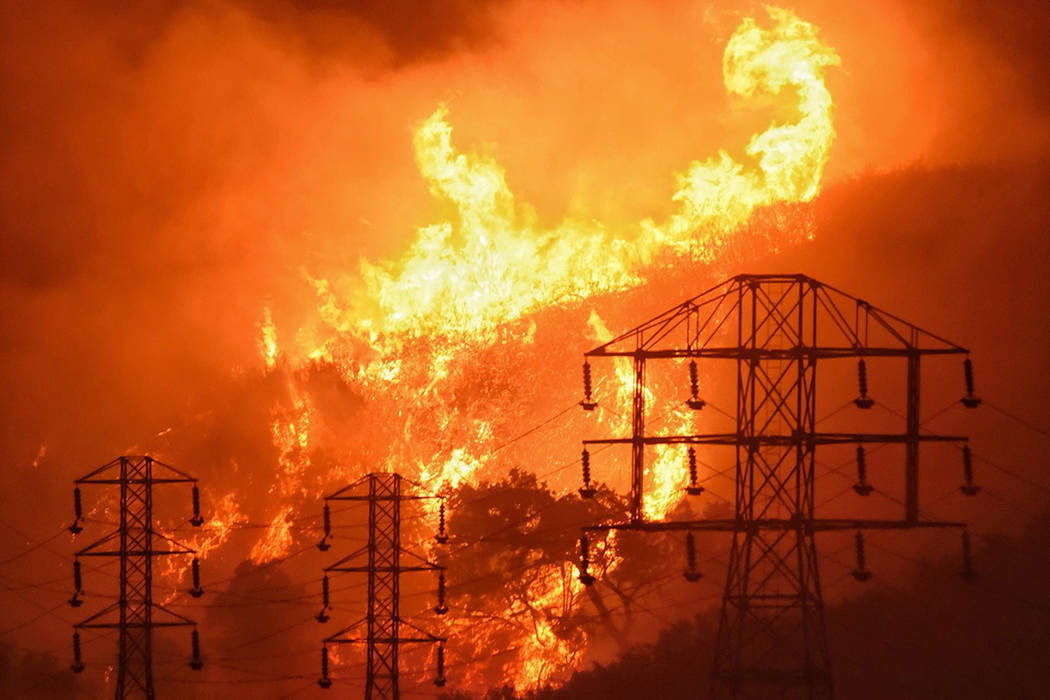
The electric power industry is entering one of the most consequential periods in its history. Electricity demand is accelerating rapidly – driven by electrification, artificial intelligence, and the explosive growth of data centers – while utilities face increasing pressure to expand capacity, integrate renewables, and maintain reliability in the face of extreme weather and wildfire risk.
Against this backdrop, the GridWise Alliance report AI and the Grid: Unlocking the Potential of Artificial Intelligence for Electric Utilities offers a timely and practical perspective on how artificial intelligence can help utilities navigate this transformation.
What makes this work particularly valuable is not just its technical insight, but the collaborative foundation behind it. The report reflects input from across the utility ecosystem – bringing together perspectives from operations, planning, policy, and digital innovation. It reinforces a critical reality: solving today’s grid challenges will require coordinated efforts across the entire industry.
One of the report’s most important contributions is how it reframes artificial intelligence – not as a single application, but as an enabling capability that can enhance nearly every aspect of utility operations. From predictive maintenance and wildfire risk mitigation to interconnection studies and grid planning, AI is rapidly becoming part of the digital backbone of the modern grid.
Nowhere is this more evident than in the shift toward predictive operations. By analyzing vast amounts of data – from sensors, weather systems, satellite imagery, and historical asset performance – AI can help utilities detect anomalies, anticipate failures, and proactively manage risk. This represents a fundamental evolution from reactive maintenance to predictive, data-driven operations that improve reliability and resilience.
But this transformation depends on one essential ingredient: high-quality, real-time data.
Artificial intelligence is only as powerful as the data it receives. As a result, utilities are increasingly focused on improving grid visibility – turning infrastructure into a continuous source of actionable intelligence rather than a passive delivery system.
This is where innovation at the conductor level becomes especially important.
Technologies such as ACCC® Conductor, combined with advanced sensing platforms like CTC Global’s GridVista™ System, are helping redefine what transmission infrastructure can do. By embedding fiber optic sensing capabilities directly within the conductor, transmission lines can provide continuous, high-resolution data on temperature, strain, and operating conditions along their entire length.
GridVista’s full-line visibility offers a significant advantage over traditional monitoring approaches, which rely on discrete sensors placed at intervals. Instead of isolated data points, utilities gain a comprehensive, real-time view of line performance – enabling earlier detection of anomalies, more accurate direct dynamic line ratings, and improved operational decision-making.
Equally important is how this data can be leveraged. When combined with cloud-based analytics and AI platforms, high-resolution line data can be transformed into actionable insights – supporting predictive maintenance, optimizing asset utilization, and enabling more efficient grid planning.
This convergence of Advanced Conductors, embedded sensing, and artificial intelligence reflects a broader shift highlighted throughout the GridWise Alliance report: the future grid will be defined as much by data as by physical infrastructure.
For utilities facing long timelines and increasing challenges to build new transmission, this shift is especially significant. The ability to better understand, monitor, and optimize existing infrastructure may be one of the fastest and most cost-effective ways to expand grid capacity. By distinguishing between theoretical limits and actual operating conditions, utilities can reduce static margins, unlock additional capacity, reduce congestion, and improve reliability – often without the need for new rights-of-way.
At the same time, the report appropriately acknowledges that the path forward is not without challenges. Data integration, cybersecurity, regulatory frameworks, and workforce readiness all play critical roles in shaping how quickly and effectively AI can be deployed across the grid.
These challenges reinforce a central theme: grid modernization will not be driven by any single technology or organization. It will require collaboration – bringing together infrastructure innovation, digital intelligence, and operational expertise.
That is ultimately the most important takeaway.
The grid of the future will not simply be stronger – it will be smarter. And achieving that vision will depend on how effectively the industry integrates advanced materials, real-time data, and artificial intelligence into a unified, intelligent system.
With continued collaboration and innovation, that future is already beginning to take shape.