For more than two decades, the power industry has studied transmission congestion. It has been analyzed, modeled, and debated from every conceivable angle. We understand where the constraints are, how they form, and what they cost. That work has been important.
But the context has changed. What was once a planning challenge has become an immediate economic problem – and a growing one.
Today, congestion is costing the U.S. billions of dollars each year, and those costs are rising. Consumers are paying more for electricity, not because generation is scarce, but because the system cannot deliver it efficiently. Low-cost energy is stranded. Higher-cost resources are dispatched. Investment decisions are distorted. And increasingly, the grid itself is becoming the limiting factor – not supply, not demand, but delivery.
At the same time, the pace of change around the grid has accelerated dramatically. Electrification is expanding. Data centers and artificial intelligence are driving concentrated load growth at unprecedented speed. Renewable generation continues to scale, often far from load centers. Each of these trends places additional stress on a transmission system that was not built for this level of dynamism.
The issue is no longer theoretical. It is structural – and it is happening now.
The traditional answer to transmission constraints has been to build new lines. In many cases, that remains necessary. But new transmission takes time – often a decade or more when permitting, siting, and construction are fully accounted for. The reality we face today is that we do not have that kind of time.
Demand is rising now. Congestion costs are being incurred now. Opportunities to deliver lower-cost, cleaner energy are being lost now.
This is why the conversation must shift – from long-term expansion alone to immediate, scalable action.
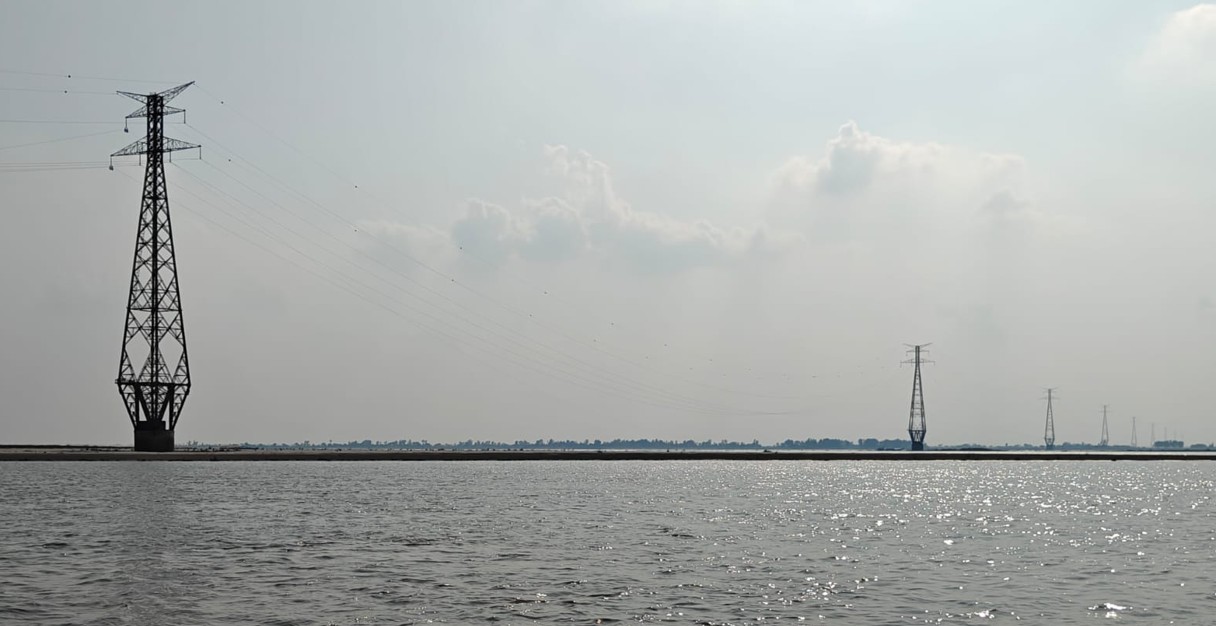
What makes this moment particularly compelling is that, in many cases, the solution is not starting from scratch. Across the country, vast portions of the transmission network are operating below their true potential. The limitation is not geography, and often not system stability – it is the performance of legacy conductors.
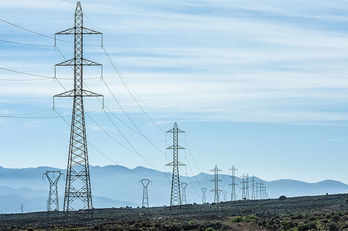
Much of the grid is constrained by thermal limits associated with technologies developed decades ago. These conductors simply cannot carry as much current as modern materials allow without excessive sag or loss of clearance. As a result, existing corridors – already permitted, already built – are underutilized.
That is not just an engineering observation. It is an opportunity.
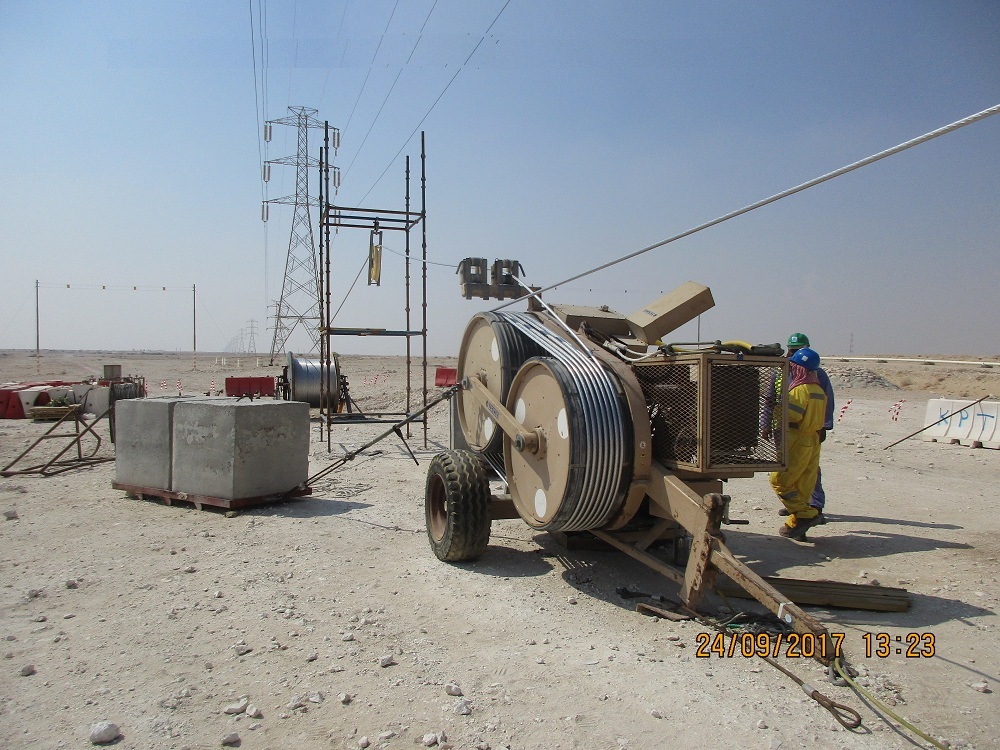
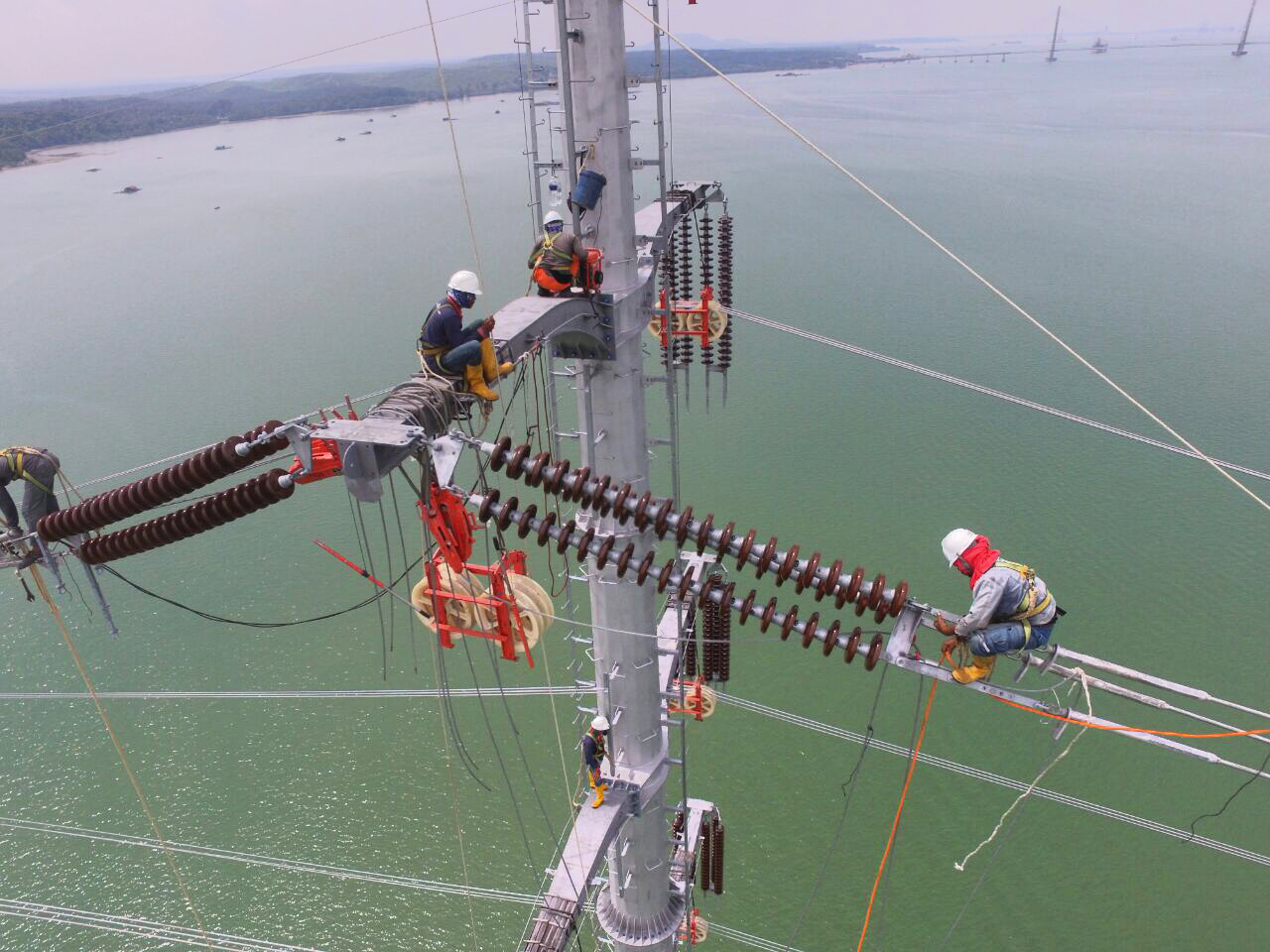
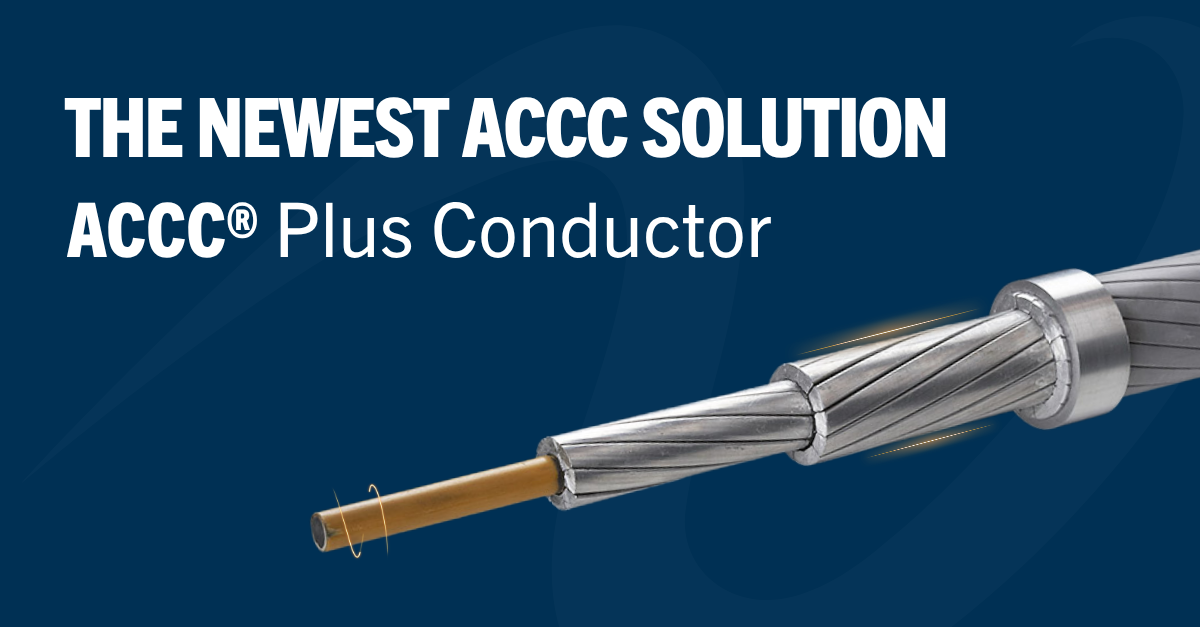
Advanced Conductors, particularly ACCC® Conductor, offer a direct and highly practical way to unlock that capacity. By replacing traditional steel cores with lightweight, high-strength composite materials, ACCC® Conductors can carry significantly more current – often double or more – while maintaining lower sag and improved efficiency. In many cases, they can be deployed on existing structures, within existing rights-of-way, dramatically reducing both cost and time.
This is not a conceptual solution. It is proven across more than 30 US states and 70 countries at more than 1,500 projects. ACCC® Conductor has been deployed across a wide range of geographies and operating conditions, delivering measurable increases in capacity and performance. It enables utilities to do something the industry urgently needs: move quickly.
And speed is the defining requirement of this moment.
To be clear, progress is being made. Utilities are deploying Grid-Enhancing Technologies, investing in targeted upgrades, and working alongside regulators and key organizations to modernize planning and operations. These efforts deserve recognition. They reflect a growing understanding that transmission is central to reliability, affordability, and the future of the grid.
But incremental progress, while valuable, is not sufficient on its own. The scale and urgency of the challenge demand a more decisive response.
Utilities are uniquely positioned to lead that response. They know where congestion is most acute. They understand which corridors are critical. And they have the ability – today – to prioritize solutions that deliver immediate impact.
Reconductoring with Advanced Conductors is one of those solutions. It does not require waiting for perfect policy alignment or long-term planning cycles to conclude. It can be implemented within existing frameworks, delivering tangible benefits in months, not years.
The broader economic case is difficult to ignore. Congestion is now a recurring, multi-billion-dollar cost. Transmission upgrades, by contrast, are long-lived investments that pay dividends over time. Every year of delay is another year in which those costs are incurred unnecessarily.
At some point, the question shifts from whether we can afford to invest, to whether we can afford not to.
For years, the industry has done the hard work of understanding congestion. That foundation is now firmly in place. What remains is execution.
The technologies exist. The economics are compelling. The need is immediate.
The grid we have today is capable of far more than it is delivering. Unlocking that potential does not require reinvention – it requires action.
And increasingly, it requires speed.
Because the reality is simple: the grid cannot wait.