Why Unlocking Capacity on Existing Infrastructure Is Becoming a National Priority
For decades, discussions about meeting future electricity demand have largely focused on building new infrastructure. New generation resources, new substations, new transmission lines, and new distribution systems have traditionally been viewed as the primary path toward supporting economic growth and maintaining reliability.
Those investments remain essential.
But as utilities, policymakers, regulators, and large energy users confront one of the most significant periods of electricity demand growth in modern history, a new reality is emerging: one of the largest untapped energy resources in America may already be in service.
The existing electric grid.
Across the United States and around the world, utilities are facing a convergence of challenges that few anticipated even a few years ago. Artificial intelligence, data centers, advanced manufacturing, electrification of transportation and industry, population growth, and domestic reshoring initiatives are all driving increased demand for electricity. At the same time, utilities are working to integrate new generation resources, strengthen resilience against increasingly severe weather events, address aging infrastructure, and maintain affordability for customers.
The challenge is not simply determining what needs to be built.
The challenge is building it fast enough.
The Timing Problem
New transmission remains one of the most important investments society can make. It improves reliability, expands access to generation resources, reduces congestion, supports economic growth, and strengthens overall grid resilience.
Unfortunately, transmission development timelines continue to grow longer.
Planning, permitting, environmental reviews, land acquisition, cost allocation discussions, supply chain constraints, financing requirements, and construction activities can often require a decade or more before major transmission projects are energized. While those projects move through development, electricity demand continues to grow.
Many regions simply do not have the luxury of waiting.
Utilities are increasingly being asked to connect new loads today. Data centers are seeking gigawatts of capacity. Manufacturing facilities are expanding. Communities are electrifying transportation systems. Economic development organizations are competing for energy-intensive investments. Reliability standards remain stringent. And extreme weather events continue to test existing infrastructure.
This growing gap between demand growth and infrastructure development timelines is forcing the industry to reconsider how it approaches grid expansion.
Looking Beyond New Construction
One of the most important shifts occurring across the industry is the growing recognition that grid modernization is not solely about building new assets. It is also about maximizing the value of assets already in service.
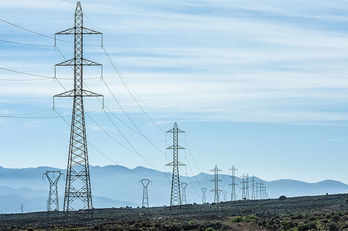
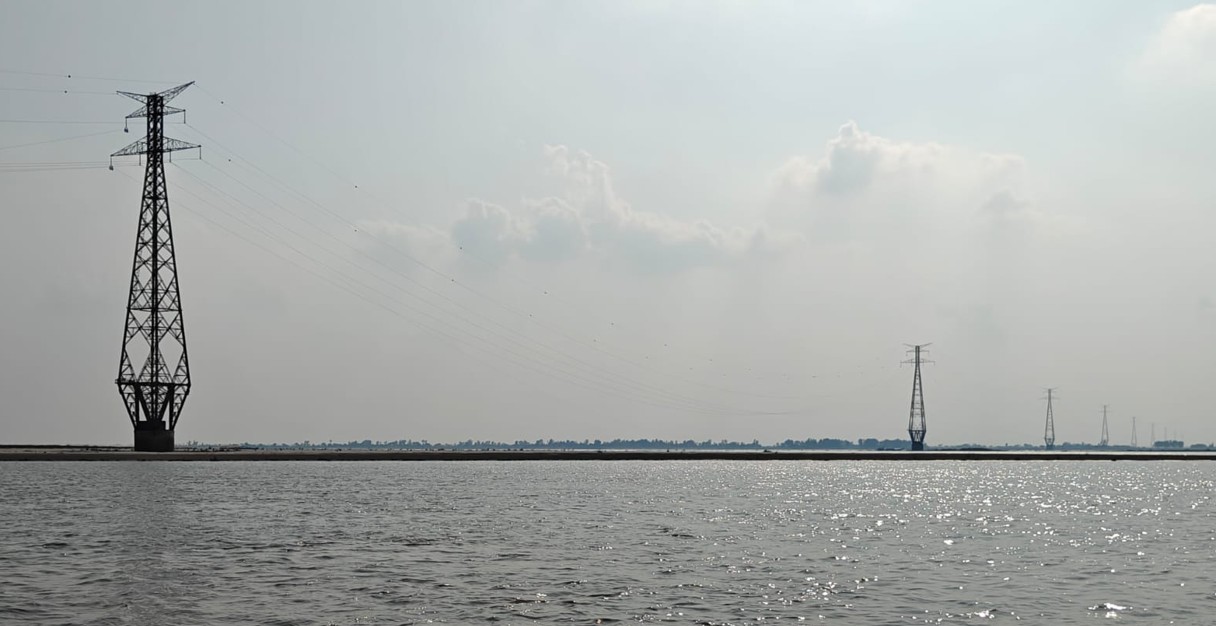
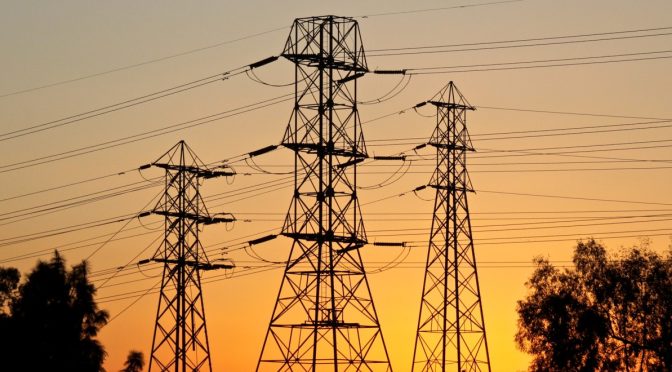
Utilities own millions of dollars of existing transmission infrastructure spread across thousands of miles of established rights-of-way. Towers, poles, substations, corridors, and interconnections already exist. In many cases, these assets represent decades of investment, permitting effort, environmental review, and community engagement.
The question increasingly being asked is straightforward:
Are we fully utilizing the infrastructure we already have?
In many cases, the answer is no.
Physical limitations, aging conductors, outdated equipment, conservative operating assumptions, and historical design criteria can leave significant capacity unavailable within existing systems. As a result, utilities and system operators are increasingly evaluating technologies that can unlock additional value from existing assets before pursuing more disruptive and expensive alternatives.
Unlocking Hidden Capacity
Several technologies are helping utilities address this challenge.
Grid-enhancing technologies can improve power flow management and increase utilization of existing transmission assets. Dynamic and ambient-adjusted line ratings can provide operators with a more accurate understanding of real-time system capability. Advanced monitoring systems can improve situational awareness and operational decision-making.
Advanced reconductoring has emerged as one of the most powerful tools available because it physically increases the capability of the transmission system itself.
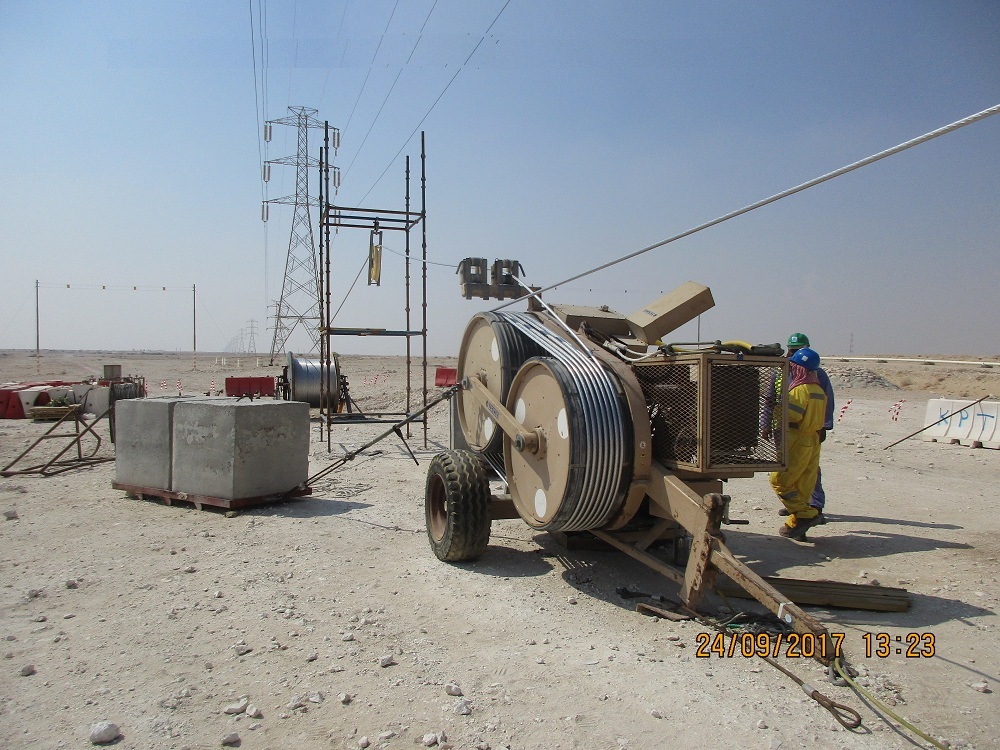
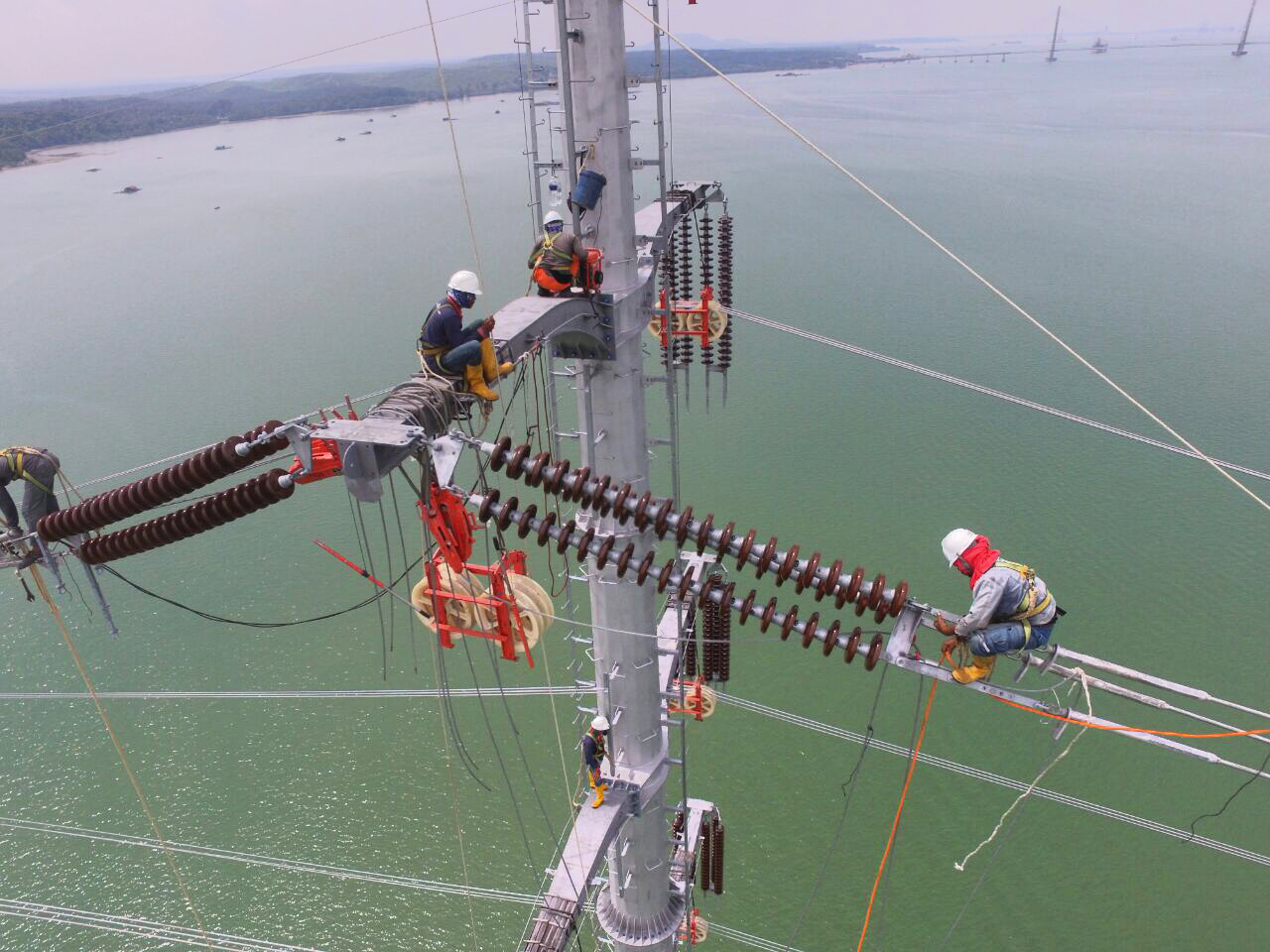
Rather than relying solely on operational changes, reconductoring replaces older conductors with higher-performing alternatives capable of carrying substantially more power while often improving overall system performance.
This approach allows utilities to leverage existing rights-of-way and structures while increasing transfer capability, reducing congestion, and improving reliability.
Why Advanced Conductors Matter
The growing interest in advanced reconductoring reflects a simple reality: transmission constraints are often physical constraints.
Many existing lines were designed decades ago for different operating conditions and lower demand forecasts. While these lines continue to serve customers reliably, their original conductors may no longer represent the most efficient use of valuable transmission corridors.
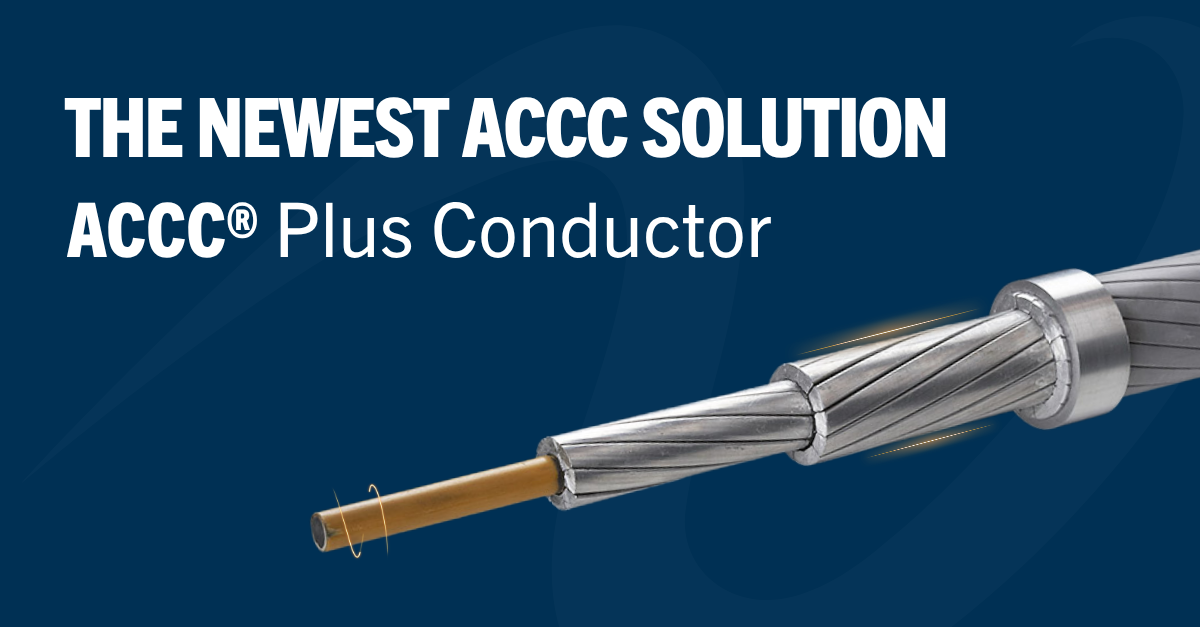
Advanced conductors such as ACCC® Conductor were developed specifically to address this challenge.
By combining a lightweight, high-strength composite core with a larger percentage of conductive aluminum, ACCC Conductor enables utilities to significantly increase capacity while reducing electrical losses and maintaining excellent sag performance. In many applications, utilities can achieve major capacity increases while continuing to utilize existing structures and rights-of-way.
The result is not simply more capacity. It is often more deliverable power, improved efficiency, lower losses, greater operational flexibility, and enhanced long-term value from infrastructure that already exists.
The Value of Infrastructure Optimization
Perhaps the most important lesson emerging from today’s grid challenges is that expansion and optimization are not competing strategies.
The industry needs both.
New transmission projects will continue to play a critical role in supporting long-term growth and integrating new resources. But infrastructure optimization can often deliver meaningful benefits much sooner. In many cases, utilities can deploy advanced technologies on existing corridors years before entirely new transmission projects can be completed.
This is especially important as utilities respond to rising demand, increasing reliability expectations, and more frequent extreme weather events.
Every megawatt of additional transfer capability, every reduction in congestion, every avoided line loss, and every year saved on project schedules contributes to a stronger and more affordable grid.
A Smarter Path Forward
The future electric grid will require more than new wires and new generation. It will require better planning, more sophisticated operational tools, improved visibility into system conditions, and greater utilization of the infrastructure already in place.
At CTC Global, we see utilities around the world increasingly embracing this broader view of grid modernization. Advanced conductors, ACCC InfoCore® Technology, and the GridVista™ System are helping utilities improve capacity, efficiency, resilience, and operational awareness while maximizing the value of existing transmission assets.
The grid of the future will undoubtedly require significant new investment. But one of the fastest, most practical, and most cost-effective opportunities available today may already be hanging between the towers.
The existing grid is one of the nation’s most valuable energy resources.
The challenge now is unlocking its full potential.