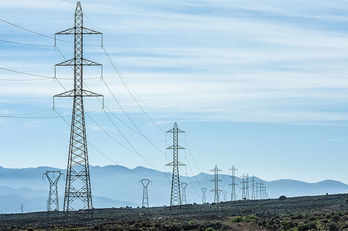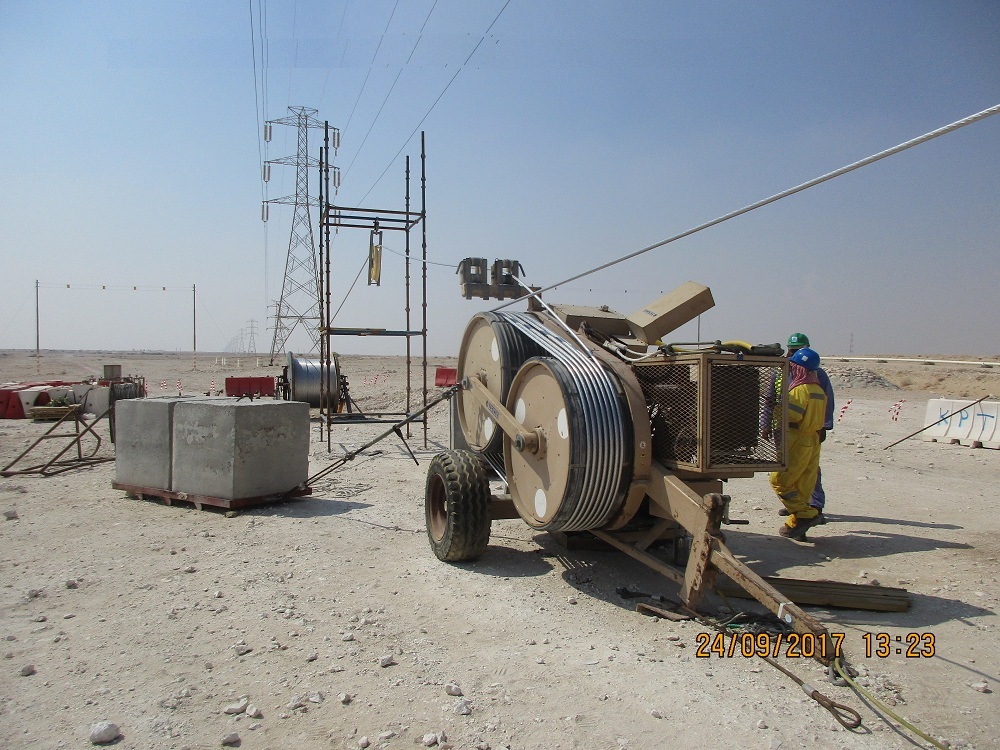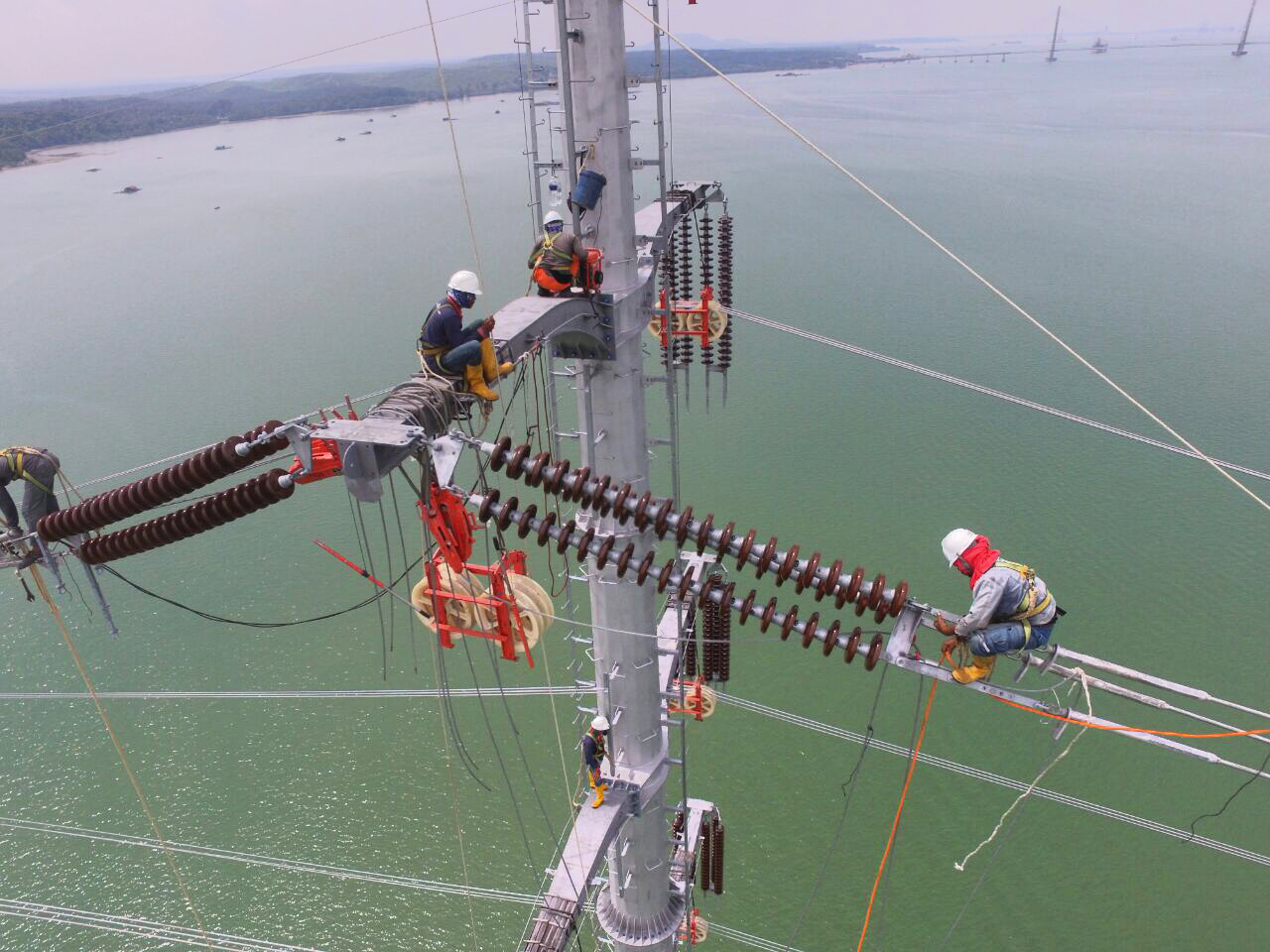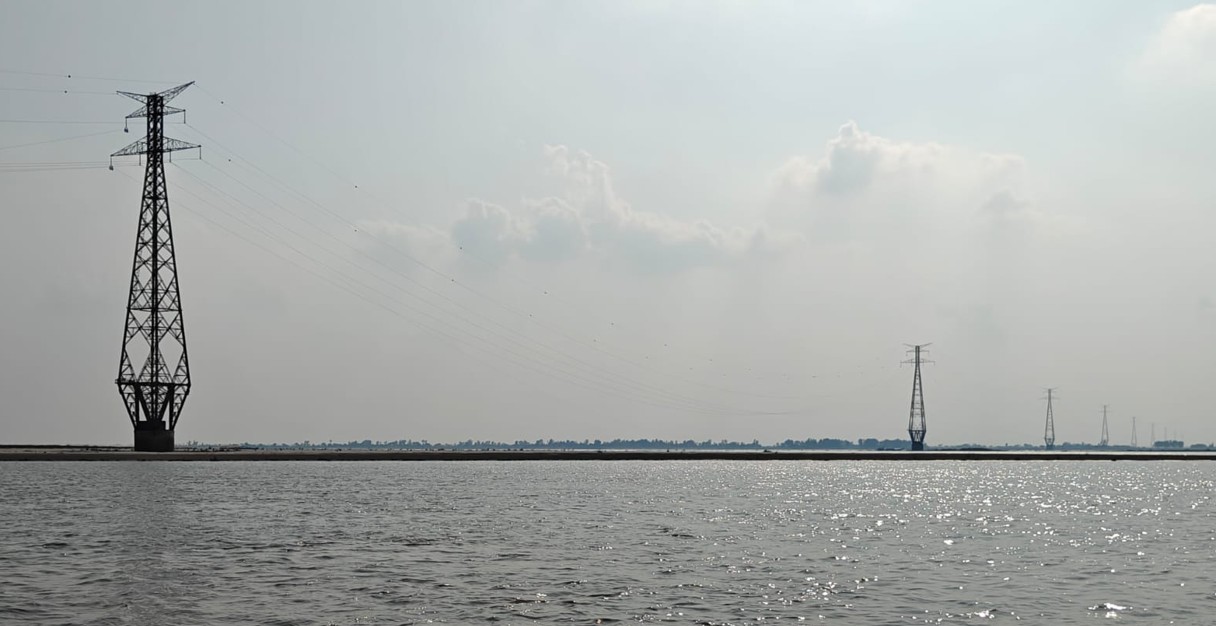
For more than a century, the electric power industry has responded to every new challenge with remarkable ingenuity. As electricity demand grew, engineers built larger generating stations, developed higher-voltage transmission systems, expanded interconnected networks, and continually improved the reliability and efficiency of the grid. That legacy of innovation has enabled extraordinary economic growth while creating one of the world’s most sophisticated infrastructure systems.
Today, however, the industry faces a challenge unlike any it has encountered before.
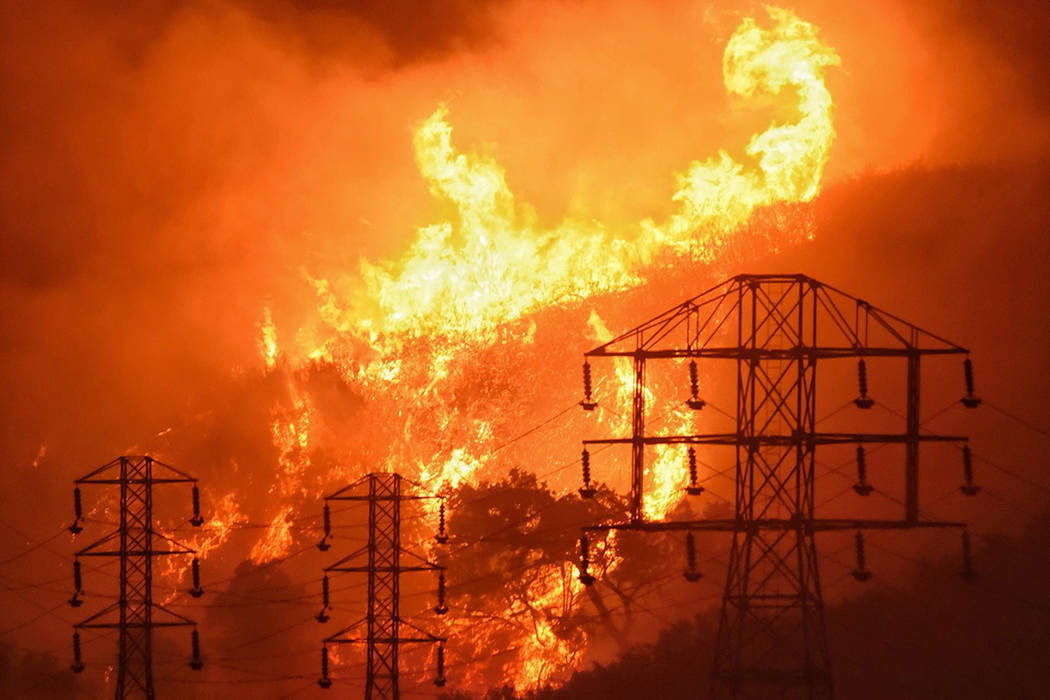
Artificial intelligence, hyperscale data centers, advanced manufacturing, transportation electrification, renewable energy, and continued economic expansion are driving electricity demand at a pace few anticipated only a decade ago. While the need for additional electrical capacity continues to accelerate, the ability to build entirely new transmission infrastructure has become increasingly constrained by permitting, environmental review, siting, regulatory processes, supply chain limitations, and construction timelines. In many regions, major transmission projects now require close to a decade – or even longer – to move from concept to operation.
The implications are profound.
For years, much of the industry’s attention has focused on where future electricity will be generated. Increasingly, however, another question deserves equal attention: How will we move that electricity to where it is needed?
The future grid may not ultimately be constrained by our ability to generate electricity.
It may be constrained by our ability to move it.
That simple observation became the starting point for Transmission Modernization and the Future of Grid Capacity, a comprehensive paper recently developed by Jay Caspary and Dave Bryant on behalf of CTC Global. Rather than examining transmission expansion through the lens of any single technology, the paper explores how the industry can deliver substantially more electrical capacity by improving the productivity of both existing and future transmission infrastructure.
That distinction is important.
For generations, transmission planning has understandably emphasized expansion. Building new infrastructure remains absolutely essential, and there is no realistic path to meeting tomorrow’s electricity demand without significant investment in new transmission corridors. Yet expansion alone is unlikely to satisfy the speed at which new electrical capacity is now required. Existing transmission systems represent enormous strategic assets, and improving their capability has become an increasingly important part of the overall planning equation.
Every transmission corridor embodies decades of engineering, permitting, environmental review, land acquisition, construction, operational experience, and public investment. In many cases, reproducing those corridors today would be extraordinarily difficult regardless of available funding. Rather than viewing existing transmission infrastructure simply as assets that will eventually require replacement, utilities are increasingly recognizing opportunities to improve their performance throughout their operating lives. This shift in thinking represents one of the most significant developments in modern transmission planning.
The conversation is therefore evolving beyond simply increasing conductor ampacity or constructing additional transmission lines. Instead, utilities are asking broader questions. How can infrastructure already in service deliver more usable electrical energy? How can projects be completed more quickly? How can electrical losses be reduced, operational flexibility improved, and long-term asset value increased? Most importantly, how can these objectives be achieved while maintaining the reliability and affordability that customers expect?
One conclusion becomes increasingly clear: no single technology provides every answer.
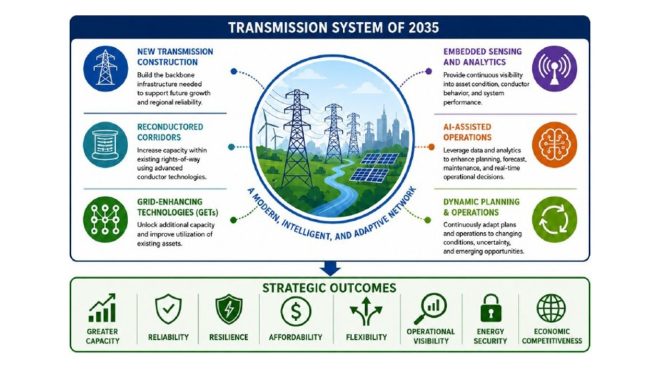
Over the past two decades, utilities have gained access to an expanding portfolio of proven engineering solutions. Reconductoring, Advanced Conductors, Grid-Enhancing Technologies (GETs), advanced sensing, distributed fiber-optic monitoring, digital planning tools, improved analytical methods, and strategic transmission expansion each address different constraints within the transmission system. Their greatest value often emerges not as competing alternatives, but as complementary elements of a comprehensive modernization strategy capable of improving the productivity of the grid as a whole.
This broader perspective also changes the way transmission investments should be evaluated. Historically, projects have often been measured primarily by construction cost, ultimate transfer capability, and reliability. Those metrics remain fundamental, but today’s planning environment increasingly requires consideration of implementation speed, lifecycle economics, electrical efficiency, resilience, operational flexibility, customer affordability, and long-term adaptability. A project capable of delivering meaningful new capacity within two or three years may create substantially greater value than a much larger project requiring a decade to complete if that earlier investment supports industrial growth, enables new generation, accelerates data center development, or postpones much larger infrastructure investments.
In other words, time-to-capacity is rapidly becoming one of transmission planning’s most important performance metrics.
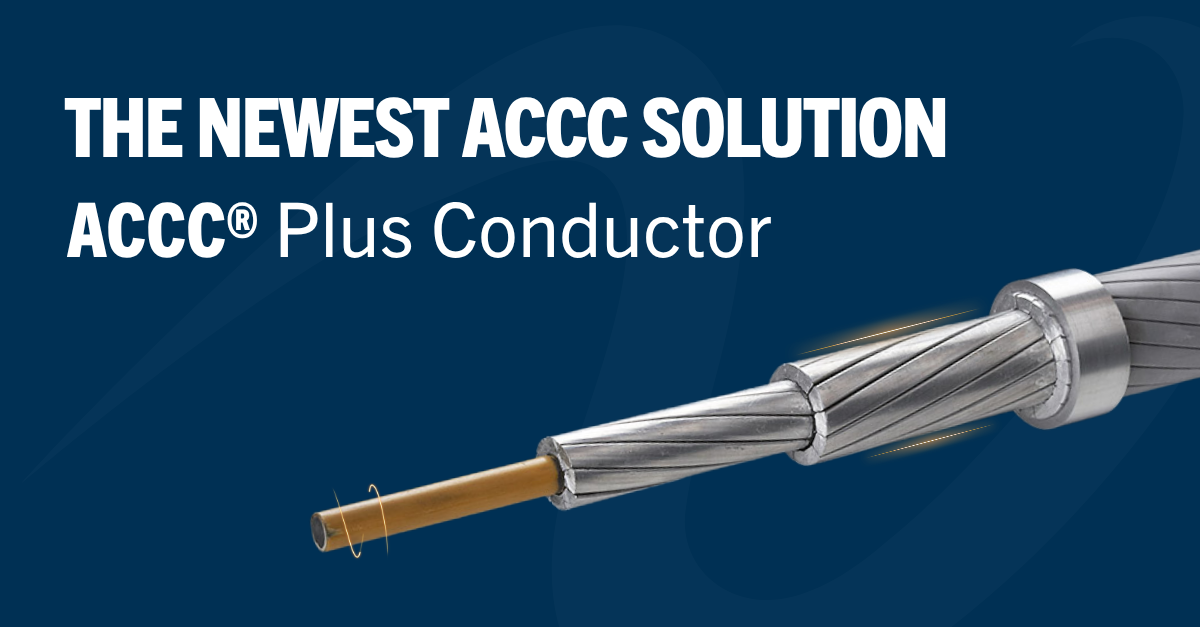
For CTC Global, this evolution reflects a much broader transformation occurring throughout the industry. When ACCC® Conductor was first introduced more than twenty years ago, much of the discussion understandably focused on conductor technology itself. Today, utilities increasingly recognize that Advanced Conductors are one component of a much larger modernization strategy focused on improving the overall productivity of transmission infrastructure. When combined with reconductoring, GETs, advanced monitoring technologies such as CTC Global’s GridVista™ System, and modern planning methodologies, Advanced Conductors can help utilities unlock greater value from existing assets while supporting continued grid expansion.
Perhaps the most encouraging conclusion emerging from this work is that the industry is not facing a shortage of innovation. Many of the engineering tools needed to significantly increase transmission capacity, improve system efficiency, reduce electrical losses, enhance operational awareness, and accelerate project implementation already exist. The opportunity before us is not simply to invent new technologies, but to integrate proven solutions more effectively into planning processes that recognize both the urgency of future demand and the strategic value of existing infrastructure.
That perspective formed the foundation for Transmission Modernization and the Future of Grid Capacity, a collaborative effort that draws upon research and experience from the U.S. Department of Energy, EPRI, GridLab, Princeton University’s REPEAT Project, the University of California, Berkeley, ICF, IEEE, CIGRE, NERC, ESIG, The Brattle Group, Grid Strategies, utilities, engineering firms, and many other organizations working to advance the future of transmission planning. Rather than advocating a single approach, the paper seeks to connect these diverse perspectives into a practical engineering framework that encourages thoughtful discussion across the industry.
The electric grid has always evolved to meet society’s changing needs. Today’s challenges simply require that evolution to occur more rapidly and more strategically than ever before. The utilities that create the greatest long-term value may not simply be those that build the most transmission, but those that most effectively combine proven engineering solutions to deliver more capacity, more quickly, from every transmission investment they make.
We hope this paper contributes to that ongoing conversation.
Whether you work for a utility, engineering firm, regulatory agency, research organization, manufacturer, developer, or system operator, we invite you to explore the ideas presented, challenge our assumptions, and share your perspective. The strongest engineering solutions have always emerged through collaboration, and the future of transmission planning will be no different.
Download Transmission Modernization and the Future of Grid Capacity from our website and join the conversation.